U.S. Posts $1.992 Trillion Fiscal Deficit, Third-Highest on Record
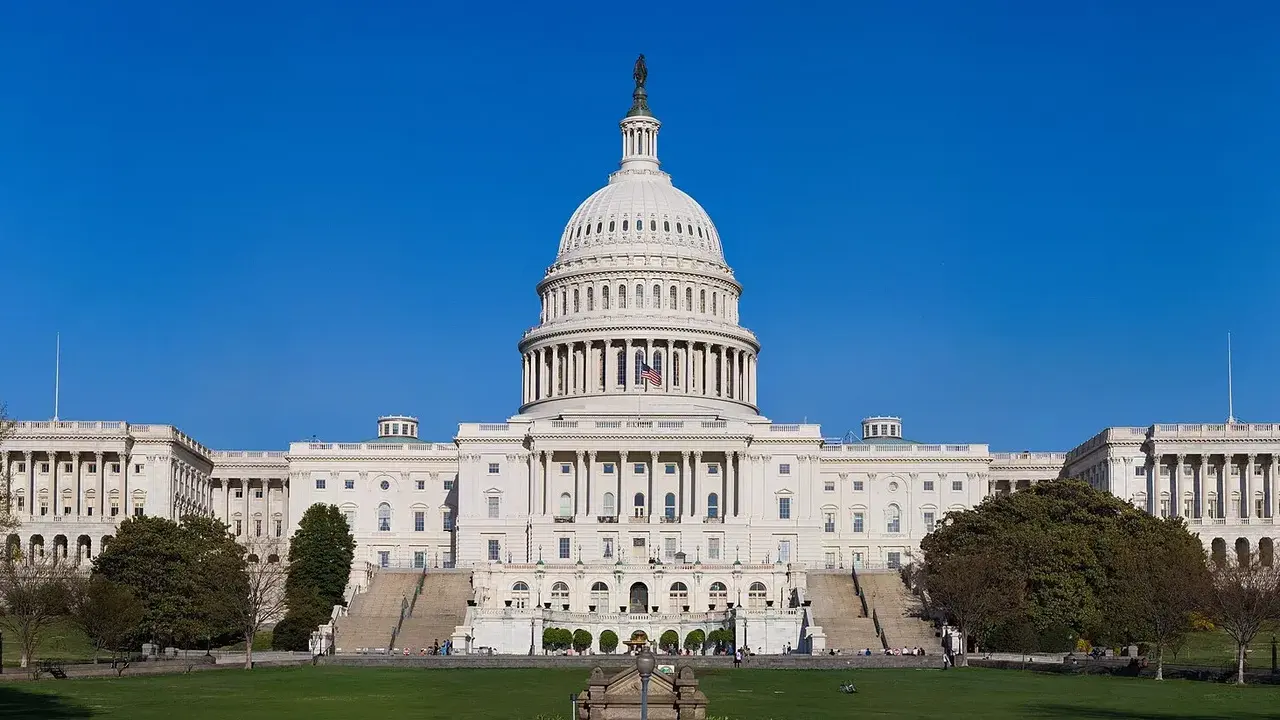
Treasury figures show higher spending on Social Security, Medicare and interest, while September swung back to a monthly deficit.
Key takeaways
- The fiscal 2026 deficit reached $1.992 trillion, up from $1.775 trillion in fiscal 2025.
- Social Security spending approached $1.7 trillion, the largest spending category.
- September recorded a $27 billion deficit, after a $198 billion surplus a year earlier.
The U.S. ended fiscal 2026 with a $1.992 trillion budget deficit, about 12% above the $1.775 trillion shortfall in the prior fiscal year, the Treasury Department reported Friday.
It was the third-highest annual deficit on record, behind 2020 and 2021. A Treasury official said the fiscal year also set records for receipts and outlays. The government has now recorded 25 consecutive fiscal-year deficits; its last surplus was in 2001.
Social Security was the largest spending category, at nearly $1.7 trillion, up from roughly $1.6 trillion in fiscal 2025. Medicare cost almost $1.1 trillion, compared with slightly less than $1 trillion the year before. Net interest topped $1 trillion, versus $970 billion in fiscal 2025.
Individual income taxes brought in more than $2.8 trillion, an increase of about 7% from the prior year. Corporate income tax receipts were $381 billion, down about $70 billion; the source attributed the drop to tax cuts in the One Big Beautiful Bill passed by Congress last year.
September ended with a $27 billion monthly deficit, reversing a $198 billion surplus in the same month a year earlier. Meanwhile, the rising debt bill has added to bond traders’ concerns, with 10-year and 30-year Treasury yields reaching 24-year highs last week.
This article was produced with the help of AI technology. Based on reporting by the outlets listed above.