AI data center growth outpaces U.S. grid expansion
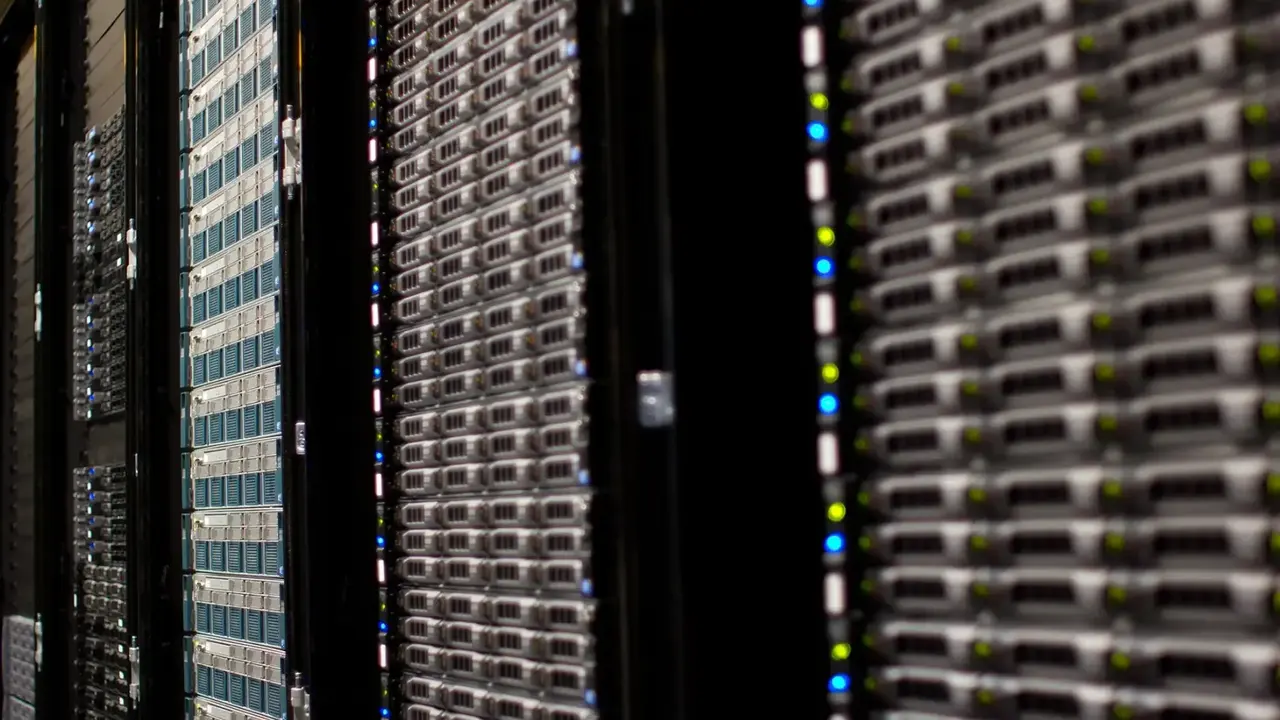
Howden says data center power demand has grown far faster than grid capacity, while voter opposition and project delays add pressure.
Key takeaways
- Data center power use has grown an average of 19% annually since 2000, versus 2% for U.S. grid capacity.
- Howden estimates 50% to 60% of data center projects may face delays beyond developers’ expected timelines.
- Voters rejected 40 of 41 local data center ballot measures on Nov. 3.
- Delaware requires large energy users to produce or secure all the power they use within 10 years of starting operations.
Data center power demand in the U.S. has grown an average of 19% a year since 2000, while grid capacity expanded 2% annually, according to an analysis by insurance broker Howden. That widening gap is adding pressure to the AI buildout, with power availability and public opposition emerging as hurdles.
Data centers used about 5% of U.S. grid capacity in 2025. Howden estimates that, at current growth rates, they would need to source up to 58% of their power off the grid by 2030 to maintain that share, a level the firm considers unlikely.
Delays and voter opposition
Kathryn Burke, who leads U.S. specialty energy and power growth at Marsh, expects around 50% to 60% of data center projects to be delayed beyond the one-to-two-year timelines developers anticipate. Lawrence Berkeley National Laboratory projects data centers could use as much as 12% of U.S. electricity by 2028.
Public resistance is also growing. On Nov. 3, voters rejected data center development in 40 of 41 local ballot measures. A University of Pennsylvania survey conducted this summer found that 70% of adults under 30 oppose new data centers in their area, compared with 61% of all adults.
A Cornell University study found that data centers raised wholesale power prices unevenly in 2025. Researchers estimated increases of nearly 20% in California’s southern Bay Area and close to 17% around Dallas–Fort Worth. Across four grids studied, data centers paid 38% of the infrastructure costs tied to their growth, or $3.12 billion of an $8.25 billion bill.
Companies seek power
Some technology companies are moving into energy through a model known as “bring your own power.” Delaware became the first state to enact such a policy in August, requiring large energy users to produce or secure all the power they use, including a share of clean energy, within 10 years of starting operations.
A separate, nonbinding pledge asks signers to “build, bring, or buy” the generation and electricity they need. Amazon, Google, Meta, Microsoft, OpenAI, Oracle and xAI signed in March.
On-site gas generation remains limited, but BloombergNEF counted 181 gigawatts of announced gas-fired generation proposed alongside data centers, more than 90% of it in the U.S. A Bloomberg News analysis published by Fortune said planned gas plants for data centers could raise U.S. power-sector emissions by 20%. Experts also warn that large swings in AI data center power demand can strain on-site generation equipment.
This article was produced with the help of AI technology. Based on reporting by the outlets listed above.