AI Debt Risks Surface as CoreWeave, Oracle Face Pressure
Bond losses, delayed data-center projects and rising insurance costs are raising questions about the debt financing behind the AI build-out.
Key takeaways
- CoreWeave has accrued US$72 billion in liabilities to operate 51 data centres.
- Barclays says the premium demanded for risky AI debt rose more than 50% in six months.
- Oracle data-centre projects have faced permitting and power delays.
- SoftBank’s debt-insurance cost has risen above US$40,000 per US$1 million insured.
Investors are questioning the debt behind the AI build-out after bond prices fell for CoreWeave and Oracle, while the cost of insuring SoftBank’s debt rose. Barclays said the premium investors demand for risky AI debt has climbed more than 50% over the past six months.
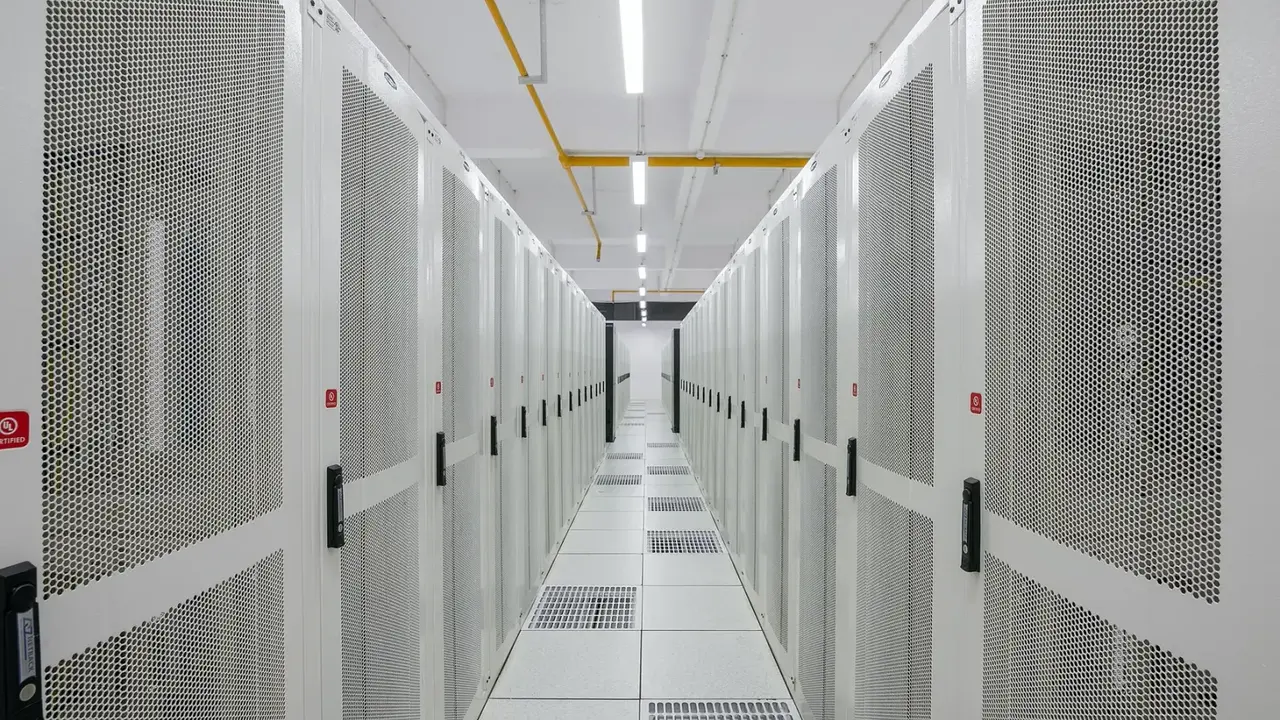
CoreWeave has accrued US$72 billion in liabilities to operate 51 data centres. Investors put the likelihood of the company failing to meet its obligations at more than 60%, according to the article. CoreWeave leases facilities for longer than some of its customer contracts, leaving it responsible for costs even if tenants leave.
Oracle has encountered permitting and power delays at several projects. Aterio said it looked less likely that the four data centres planned for its Project Lighthouse in Wisconsin would begin operating before 2029, a year before the debt comes due. Some of that debt has traded around US$0.90 on the dollar or below, according to traders.
SoftBank borrowed US$11 billion in late September at interest rates near 10%, before completing a further US$30 billion investment in OpenAI on Oct. 1. The cost to insure US$1 million of SoftBank debt has risen to more than US$40,000, from less than US$27,000 at the start of 2026.
SoftBank Vision Funds CEO Alex Clavel said the company’s debt as a share of its assets had not changed, adding that its assets had increased significantly. Janus Henderson’s John Lloyd said slower project financing could make existing AI infrastructure more valuable.
This article was produced with the help of AI technology. Based on reporting by the outlets listed above.