Aid Cuts and Debt Push Developing Nations Toward New Financing
A record decline in aid and rising debt are prompting calls for new funding approaches and trade partnerships outside established frameworks.
Key takeaways
- Official development aid fell 23% in real terms in 2025, the largest annual drop on record.
- Developing countries’ external debt reached $12.3 trillion in 2025, according to UNCTAD.
- Ajay Banga said about 1.2 billion young people are expected to enter the job market in 10 to 15 years.
Rising debt and falling aid are putting pressure on development plans, as World Bank President Ajay Banga and other officials call for new financing approaches. Banga said an initiative he leads has increased private capital flowing to development projects more than threefold since 2022.
Banga also pointed to a growing jobs challenge: about 1.2 billion young people are expected to enter the labor market over the next 10 to 15 years, while only 400 million jobs are currently available, he said. He argued that solutions should combine public finance, private investment, philanthropy and technology to meet countries’ needs.
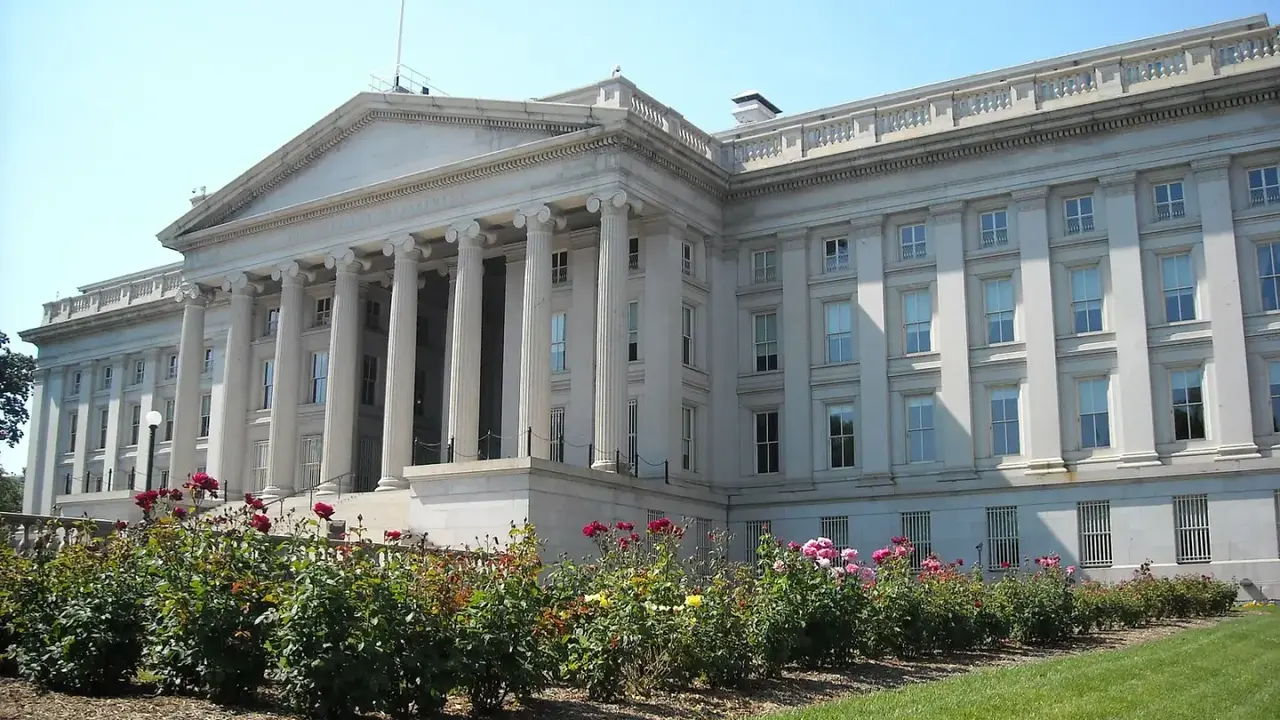
Official development aid from members of the OECD Development Assistance Committee fell 23% in real terms in 2025, the largest annual decline in the history of aid, according to the source. The United States, Germany, the United Kingdom, Japan and France cut aid, accounting for 96% of the total drop.
UNCTAD said developing countries’ external debt stock reached $12.3 trillion in 2025, an increase of half a trillion dollars from 2024. British Foreign Secretary Ed Miliband said debt restructuring and other support for the poorest countries would be priorities during the UK’s upcoming G20 presidency, while also calling for private-sector involvement.
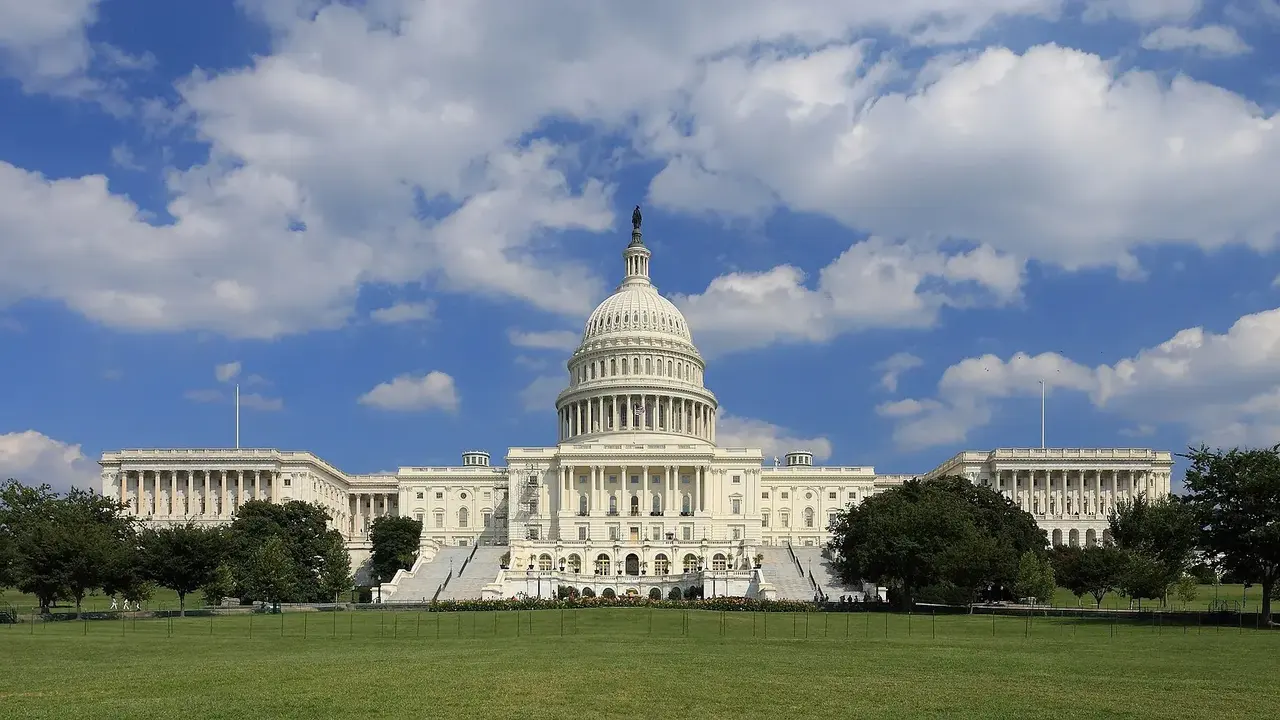
Developing countries are also looking beyond Bretton Woods institutions for responses to debt, climate and geopolitical challenges. US President Donald Trump’s broad tariffs have added to tensions and encouraged some emerging markets to seek trade partnerships that do not include the United States, while India’s Finance Minister Nirmala Sitharaman said her country was working to deepen bilateral partnerships.
This article was produced with the help of AI technology. Based on reporting by the outlets listed above.