Asia-Pacific Airlines Face Cost Pressure as Fuel Hedges Expire
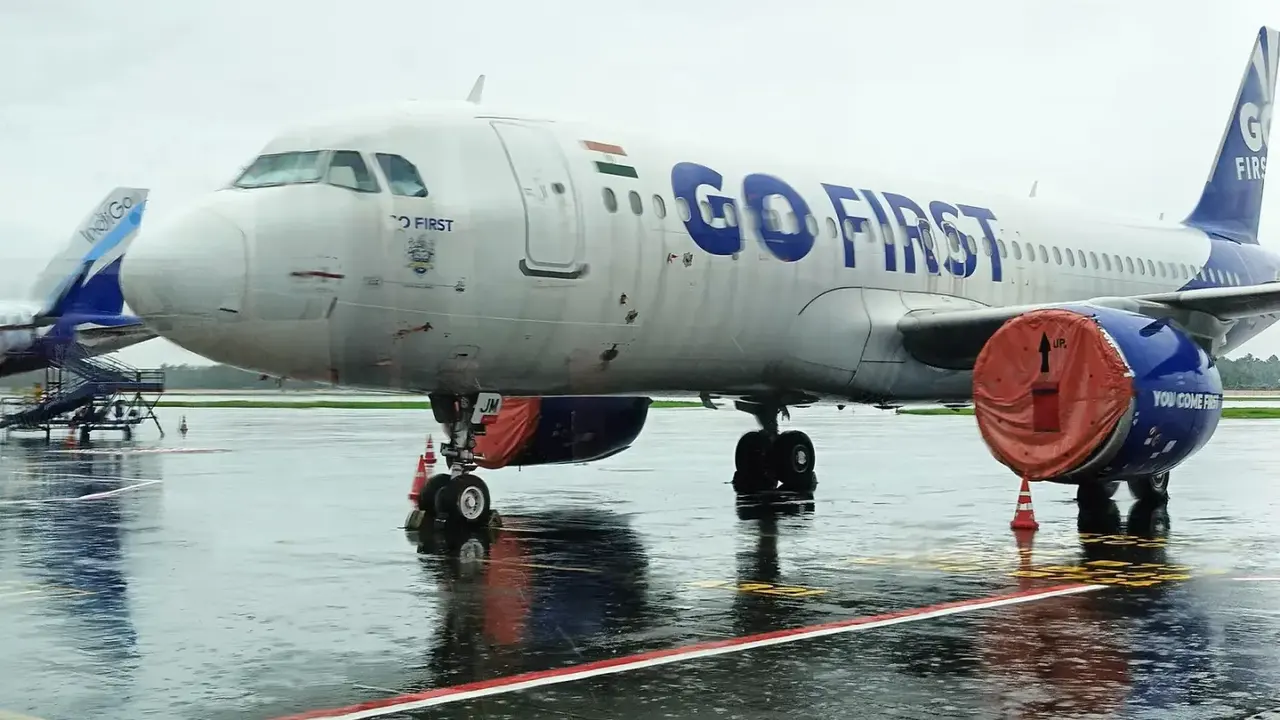
Executives expect elevated fuel costs and supply delays to persist, while several see passenger and cargo demand holding up.
Key takeaways
- Jet fuel was trading at about US$148 a barrel on Nov. 13, according to the report.
- Wong Hong said fuel accounted for about 33% of airlines’ operating costs.
- Cathay Pacific’s Ronald Lam expects passenger and cargo demand to remain strong.
- Airline leaders said aircraft and spare-parts deliveries remain delayed.
Asia-Pacific airlines are bracing for elevated fuel costs as older hedges expire, while regional executives said passenger and cargo demand could remain strong. Jet fuel was trading at about US$148 a barrel on Nov. 13, down from nearly US$180 at October’s end, according to the report.
Wong Hong, director general of the Association of Asia Pacific Airlines, said fuel now accounts for about 33% of airlines’ operating costs. He said regional passenger growth was negative from April to August and only just above zero in September.
Air Astana CEO Ibrahim Canliel described current fuel prices as a “new normal.” The airline’s first-half hedges have expired, and it plans to rebuild its hedging position, covering fuel bought outside Kazakhstan, about 30% of its typical annual fuel use.
Executives offered a more upbeat view on travel demand. Cathay Pacific CEO Ronald Lam said he expected passenger demand to hold up in the near term and cargo demand to remain strong, citing e-commerce shipments and equipment shipments linked to AI data centres.
Airline leaders also said aircraft and spare-parts deliveries remain below expectations. Canliel said delays were improving compared with 12 months earlier, but airlines still had to plan around delivery disruptions and absorb costs.
This article was produced with the help of AI technology. Based on reporting by the outlets listed above.