Asia’s Fuel Oil Squeeze Deepens as Shipping Costs Block Supply

Singapore’s high-sulphur fuel oil premium surged, while expensive freight and disrupted shipments limited the region’s options for replacement cargoes.
Key takeaways
- Singapore’s HSFO crack rose above $10 a barrel in mid-October, from a discount in February.
- Middle Eastern and Russian fuel oil shipments to Singapore have fallen from earlier levels.
- Freight for a Mediterranean-to-East Asia cargo reached about $36 a barrel for HSFO.
- Chinese export quotas and Saudi tenders may add supply, but relief is uncertain.
Singapore’s high-sulphur fuel oil (HSFO) crack climbed above $10 a barrel in mid-October, compared with a discount of about $5 in February. OilPrice.com’s Natalia Katona reports that disrupted supplies and high shipping costs have tightened the Asian market despite resilient bunker demand.
Supply losses meet steady demand
Middle Eastern HSFO and very-low-sulphur fuel oil (VLSFO) shipments to Singapore averaged about 100,000 barrels a day in 2025, then disappeared in April and May amid disruption to Hormuz shipping. They briefly recovered to 130,000 barrels a day in July, before falling to around 40,000–50,000 in recent months.
Russian shipments initially helped fill the gap. But HSFO shipments from Russia to Singapore fell from around 180,000 barrels a day in April to 25,000 in September, as refinery disruptions linked to Ukrainian drone attacks affected residue exports, Katona reports.
Demand has held up. Singapore sold 4.7 million tonnes of bunker fuel in September, 1% below a year earlier. HSFO sales rose about 10% year on year to roughly 17.5 million tonnes in January–September, supported in part by ships equipped to use the higher-sulphur fuel.
Freight limits replacement cargoes
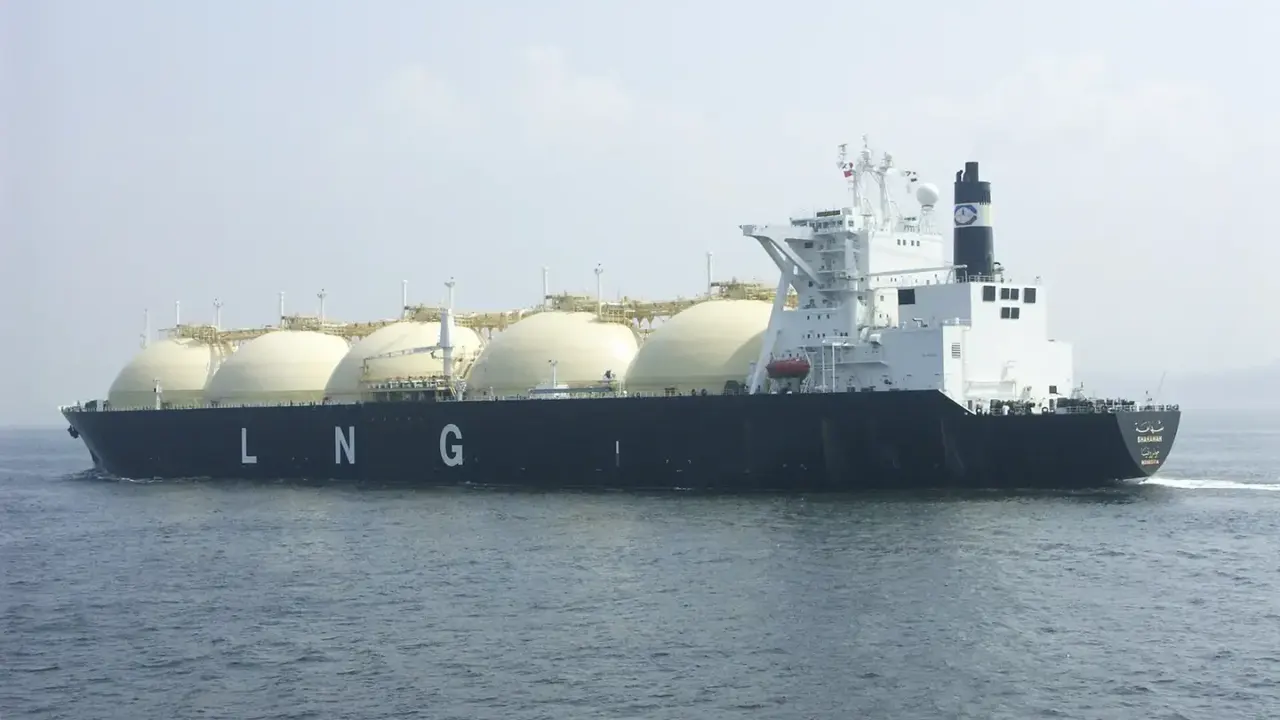
High transport costs are making it difficult for cargoes from outside the region to bridge the shortfall. A Mediterranean-to-East Asia voyage for a 135,000-tonne cargo cost $230 a tonne, or about $36 a barrel for HSFO, according to the article. A year earlier, the rate was $41 a tonne, with freight at about $6.50 a barrel for HSFO.
The cost has weakened the incentive to bring in Western fuel. Estimated Singapore arrivals of VLSFO from Western markets fell to 1.5 million–1.6 million tonnes in October, from 1.6 million–1.8 million in September.
Possible relief remains uncertain
China allocated 1.07 million tonnes of VLSFO export quotas, while Saudi Aramco issued tenders for more than 700,000 tonnes of HSFO for November exports. Cooler Gulf weather could also reduce fuel oil use for power generation and free up supply for ships.
But Katona cautions that relief may be uneven. The Saudi cargoes could be affected if security around the Strait of Hormuz worsens, while expensive freight and possible further Russian supply disruptions could keep Singapore’s market tight.
This article was produced with the help of AI technology. Based on reporting by the outlets listed above.