Brazil courts data-center investment with tax relief and cheaper power
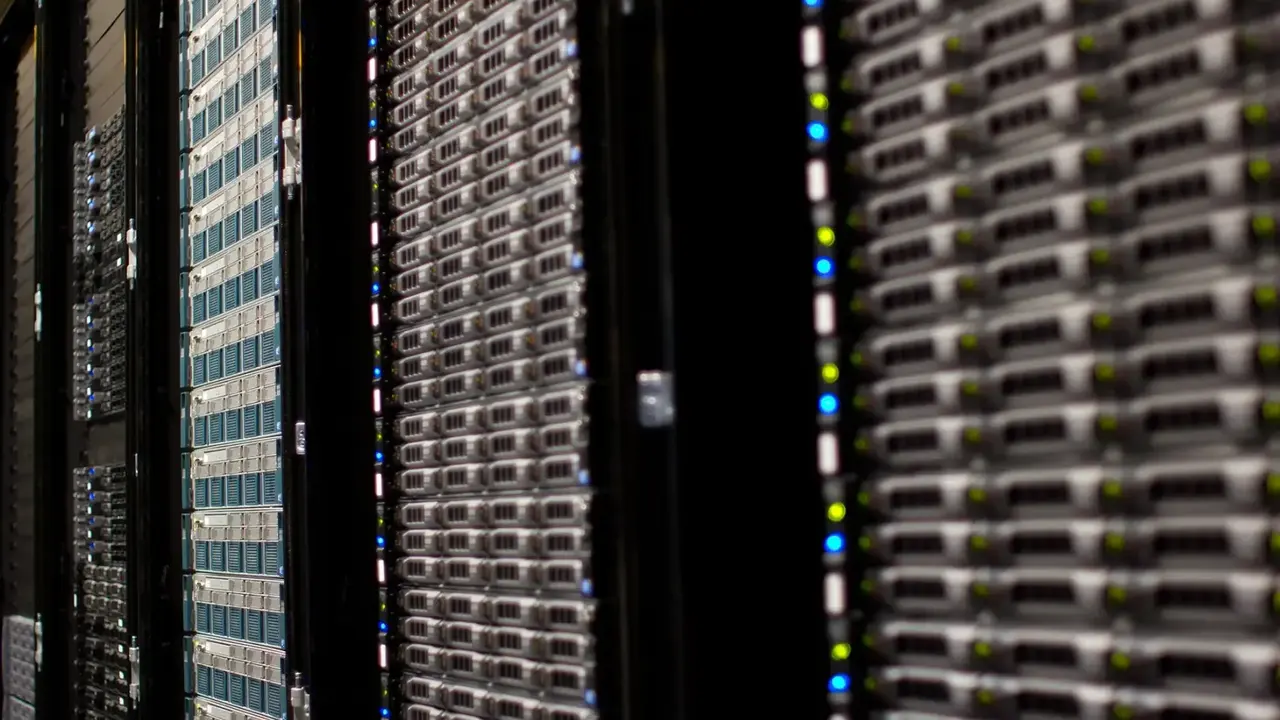
A new tax law eases equipment costs as Brazil seeks more computing capacity, data sovereignty and investment from global technology firms.
Key takeaways
- Brazil’s REDATA law cuts taxes on qualifying data-center equipment.
- Companies must offer at least 10% of qualifying computing services to Brazilian customers.
- Brazil generates nearly 87% of its electricity from renewable sources, according to its energy ministry.
Brazil signed a law on Sept. 15 cutting taxes on qualifying data-center equipment, as the government seeks to attract computing capacity and support local AI development. The measure, called REDATA, also sets requirements for companies receiving the tax benefits.
Brazil generates nearly 87% of its electricity from renewable sources, according to its Ministry of Mines and Energy. Electricity costs less than half as much as in the U.S., but Carlos Barrera, CEO of Atlas Renewable Energy, said the country will need more transmission lines to connect large data centers to the grid.
Major technology companies are already investing. Amazon Web Services has spent more than $3.8 billion on Brazilian data-center infrastructure since 2011 and pledged another $1.8 billion through 2034. Microsoft committed $2.7 billion to cloud and AI infrastructure over three years, while Google plans to double its cloud infrastructure in Brazil by 2030.
Under REDATA, companies must offer at least 10% of qualifying computing services to Brazilian customers and invest 2% of the value of tax-benefitted equipment in Brazilian research and development. The government hopes the law will help local businesses develop AI products and rely less on foreign services.
Brazil’s Ministry of Development says 60% of the country’s digital data is processed abroad. Data-center researcher Ana Carolina de Assis Nunes said the tax breaks go to companies that already dominate the industry, even as Brazil seeks to reduce reliance on foreign technology.
Growth may also face local resistance. Federal prosecutors went to court shortly before REDATA became law over a TikTok-linked data-center project, seeking an environmental impact study and consultation with the Indigenous Anacé people before the facility becomes operational. Brazilian officials are also divided over whether rising demand could increase electricity bills.
This article was produced with the help of AI technology. Based on reporting by the outlets listed above.