Chinese battery makers plan $90 billion overseas push
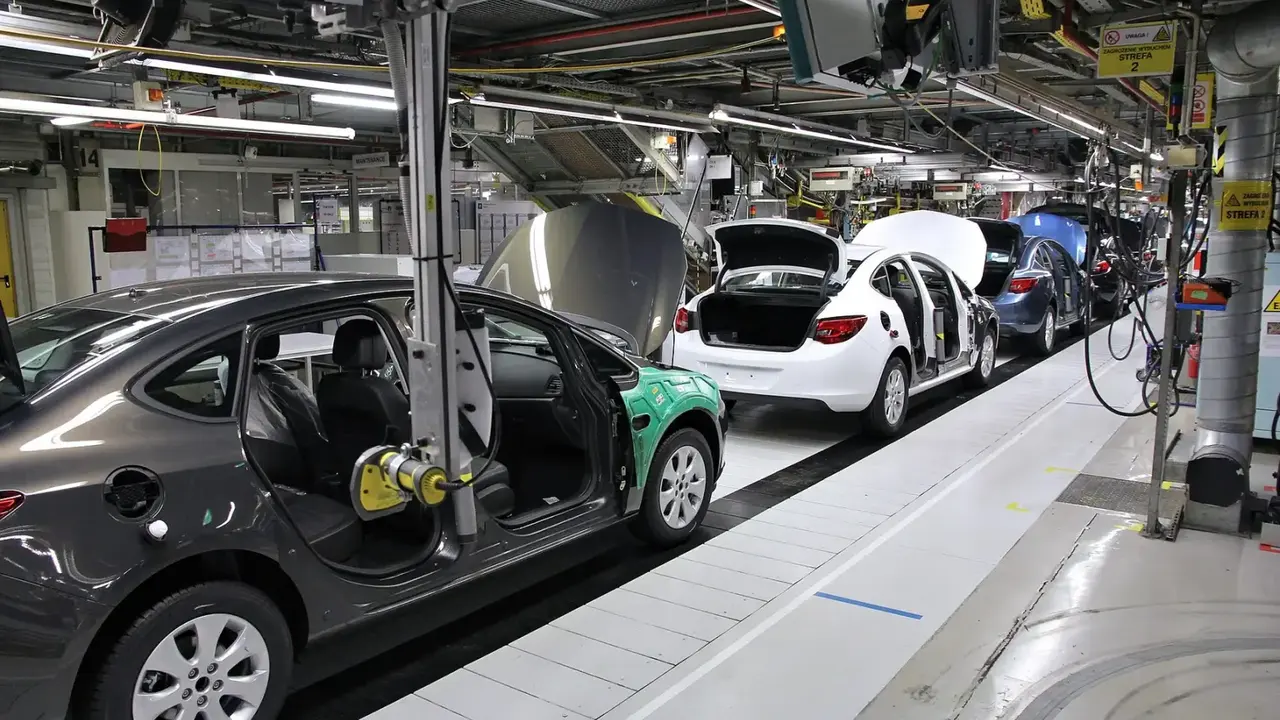
Announced projects are concentrated in Southeast Asia and Europe, as manufacturers seek local production and closer links to automakers.
Key takeaways
- Chinese battery makers have announced about $90 billion in overseas investment plans since 2023.
- Southeast Asia leads with $35.2 billion in planned investment, followed by Europe with $31.5 billion.
- A Gotion-Volkswagen plan covers battery production and supply chains in Spain, Slovakia and Morocco.
- The figures include announced commitments and plans, not only completed spending.
Chinese battery makers have announced about $90 billion in overseas investment plans since 2023, according to data compiled by Climate Energy Finance. The plans are led by projects in Southeast Asia and Europe, as companies seek to build production and supply networks outside China.
The total includes about $52 billion for battery cell production and $38 billion for materials and related manufacturing infrastructure. In 2026 alone, Chinese producers announced around $12 billion across 14 investment agreements and projects. These are commitments and plans, not completed spending.
Europe draws factory plans
Southeast Asia attracted the largest announced investment total, at $35.2 billion, while Europe ranked second with $31.5 billion. Together, the regions account for about three-quarters of the announced overseas investment portfolio.
European rules and automakers’ efforts to localize battery supply are encouraging production of cells and key components in the region, rather than relying only on imported batteries. Gotion and Volkswagen announced a plan at the end of September to work together on battery production and supply-chain investments in Spain, Slovakia and Morocco. Many projects remain subject to final contracts and approvals.
CATL has a production facility in Germany and projects in Hungary and Spain. The company is also encouraging suppliers to operate in Europe. Components sourced from Europe make up close to half of those used in CATL’s German production, according to the article, indicating that local supply chains are still developing.
Cost and supply-chain hurdles
Sector assessments cited in the article say a battery factory of similar capacity can cost about one-third as much to build in China as in Europe, with construction also taking less time. Chinese manufacturers are still pursuing European plants to address trade barriers, meet local-production requirements and stay close to customers.
Wood Mackenzie expects Chinese producers to retain more than 80% of their share across four key battery supply-chain areas through 2034. Europe’s efforts to expand domestic production face high financing needs and pressure to make large plants profitable. The article also notes that factories built in Europe can remain reliant on components shipped from China.
The investment race has implications for Turkey, which the article describes as a potential production base because of its automotive supply links and proximity to Europe. BYD’s planned Manisa factory, announced as a roughly $1 billion project with annual capacity of 150 thousand vehicles, remains uncertain: the company had not provided a firm new start date in its October comments.
This article was produced with the help of AI technology. Based on reporting by the outlets listed above.