Citi Says US AI Investment Has Passed Dotcom-Era Pace
Citi economist Nathan Sheets says AI investment is about 1.5% of US GDP, while productivity gains have yet to match the spending.
Key takeaways
- US AI investment is about 1.5% of GDP, roughly twice the comparable dotcom-era share, according to Citi.
- Citi estimates AI investment reached about $300 billion in 2025.
- The annualized pace of US AI investment averaged $466 billion in the first half of 2026.
- Citi says productivity gains have not yet matched the scale of AI spending.
Citi Global Chief Economist Nathan Sheets says US investment in artificial intelligence has reached about 1.5% of gross domestic product, roughly twice the share at a comparable stage of the dotcom investment cycle. He warned that productivity gains have not yet matched the scale of the spending.
Citi estimated that US AI investment was about $300 billion in 2025. In the first half of 2026, the annualized pace averaged $466 billion. That figure reflects the yearly rate implied by the six-month pace, not spending completed in the first half.
Spending spreads beyond software
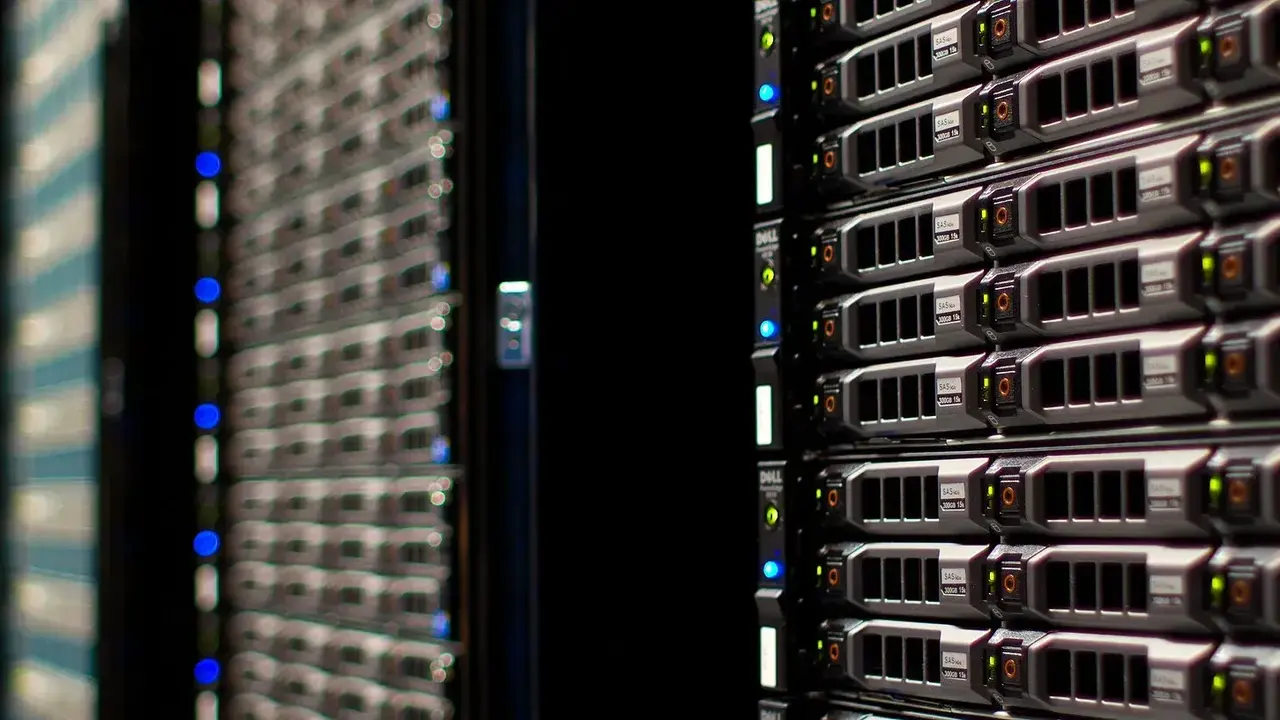
The investment includes data centers, advanced semiconductors, cloud infrastructure and energy projects to meet rising electricity demand. Demand for chips and technology equipment is also benefiting economies including South Korea and Taiwan, according to the report.
Sheets said the scale of AI investment does not by itself mean a new technology bubble is forming. Many of the large companies funding the infrastructure have established customers and revenue sources, unlike many startups during the early internet era.
But the economic gains remain uneven. Citi said demand for data centers, chips and technology infrastructure is strong, while housing and other interest-rate-sensitive investment are weaker. The AI-related spending may also make weakness elsewhere less visible in overall growth figures.
Returns and financing in focus
Citi said productivity gains may take time to emerge as companies build infrastructure, train workers and reorganize processes. The report described this pattern as a “productivity J-curve”: costs rise early, while efficiency gains may come later.
Financing the expansion could add pressure to long-term interest rates, Citi said. Some companies can use existing cash, while others may turn more to bonds, loans and other financing. The bank also pointed to government borrowing needs and energy investment as competing demands on global savings.
For investors, the central uncertainty is how much of the spending will translate into lasting revenue and profits. Citi said delayed productivity gains or weaker-than-expected demand for AI services could pose risks, particularly for projects funded with debt.
This article was produced with the help of AI technology. Based on reporting by the outlets listed above.