Copper’s AI Boom Faces Doubts Over Demand and Prices
Analysts warn that lofty demand expectations may outrun fundamentals, even as mine constraints and electrification support longer-term prices.
Key takeaways
- Trafigura estimates data centers will add about 350,000 tonnes to copper demand this year.
- Macquarie expects global copper surpluses to continue for the next few years.
- Copper stocks in LME and Comex warehouses were concentrated in the US amid tariff concerns.
Copper’s AI-driven rally is facing questions over whether expected demand will match the optimism priced into the market. During London Metal Exchange week, executives and analysts pointed to risks from a possible slowdown in AI investment and the effects of US tariff threats.
Trafigura metals analyst Graeme Train estimated that data centers will add about 350,000 tonnes to copper demand this year, after contributing virtually nothing to growth in 2023. Global annual demand is about 28 million tonnes, he said. Train added that high prices have curbed demand from sectors outside AI, making it harder for overall consumption to grow.
Macquarie analyst Alice Fox said prices had moved ahead of supply levels. The firm expects global copper surpluses to persist for the next few years and warned that the scale of planned AI data-center expansion poses a downside risk. One prominent metals investor put the chance of an AI bubble at more than 50% and suggested copper could fall to $1,000 a tonne from a peak near $15,000 earlier this year.
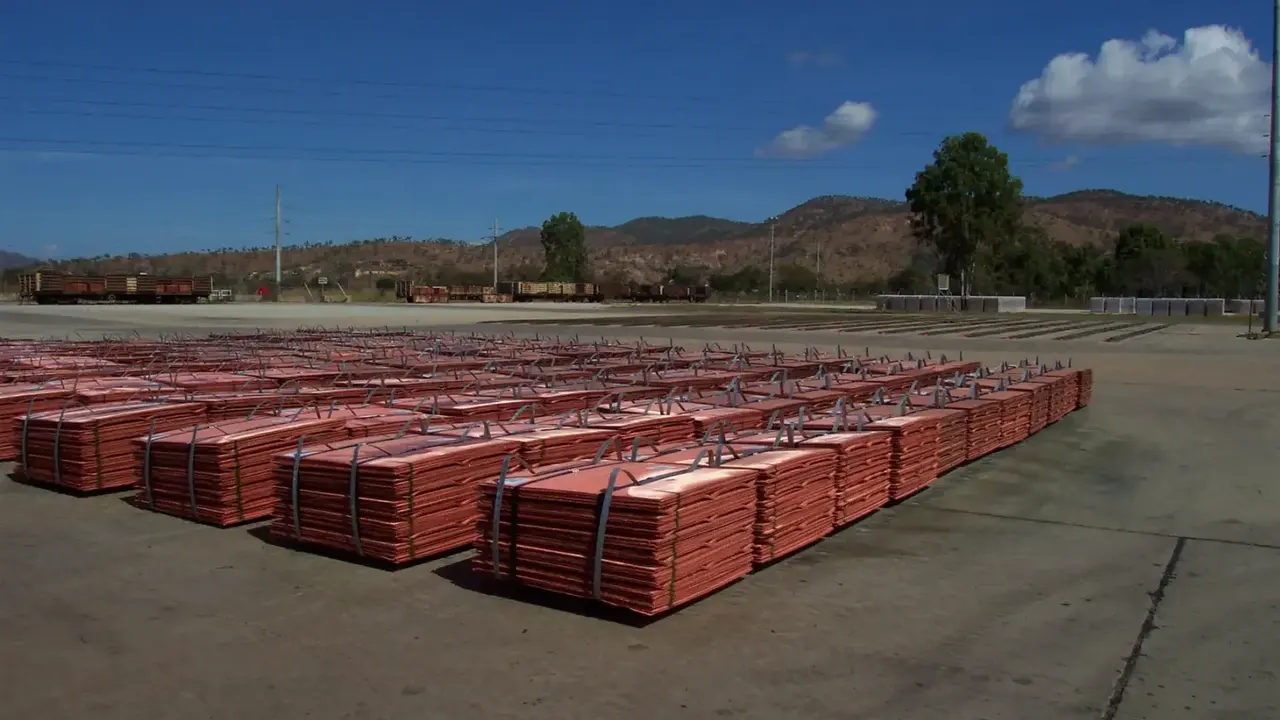
Tariff concerns have also shifted where copper is held. In the last week of October, 90% of stocks in LME and Comex warehouse networks were in the US, compared with about 20% two years earlier. Macquarie warned that removing the tariff threat could prompt a rapid movement of physical stocks to other locations.
Mining companies are still positioning for longer-term demand. Shares of copper-focused miners BHP and Freeport-McMoRan have risen 25% to 33% this year, while Freeport chief executive Kathleen Quirk said the longer-term demand trend remains positive. Anglo American chief executive Duncan Wanblad said current prices are likely to have support until the supply-demand gap closes.
This article was produced with the help of AI technology. Based on reporting by the outlets listed above.