Disc Medicine’s Bitopertin Meets All APOLLO Trial Endpoints
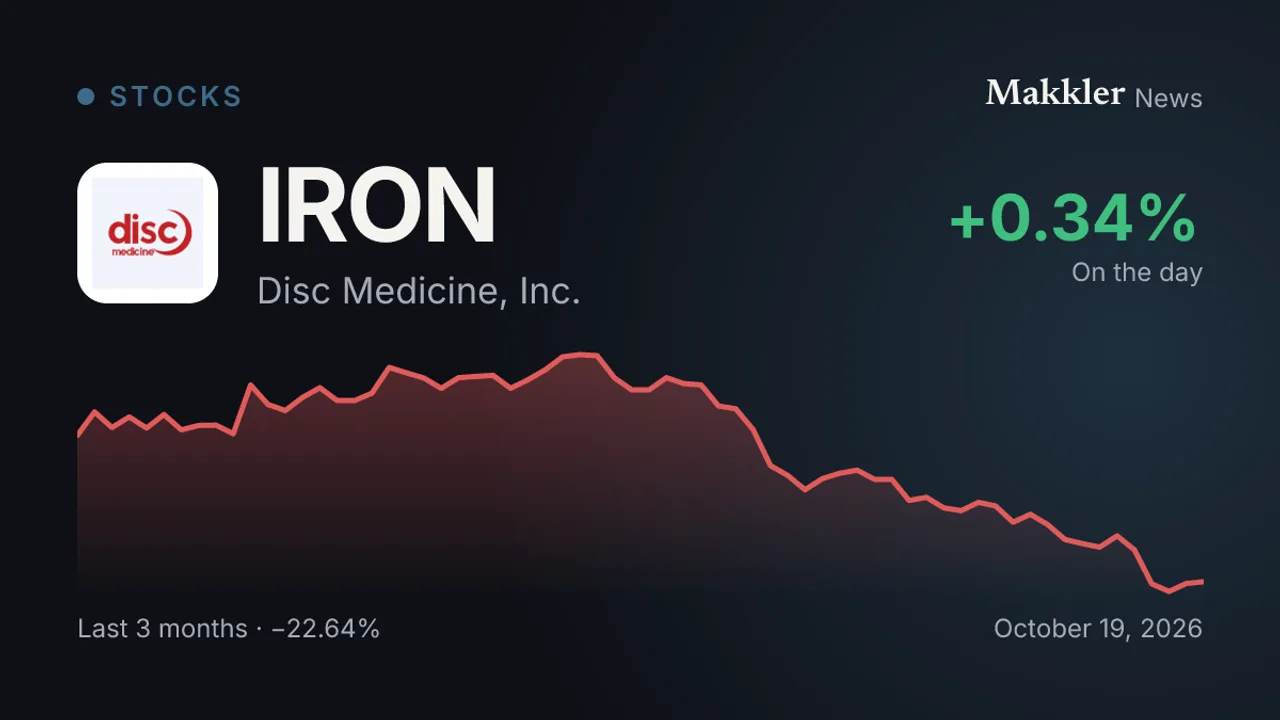
The Phase 3 study showed gains in light tolerance and lower PPIX levels; Disc plans an FDA filing resubmission by year-end.
Key takeaways
- APOLLO met both co-primary endpoints and all secondary endpoints, Disc Medicine said.
- Bitopertin reduced whole-blood PPIX by 41.4% versus placebo.
- Disc plans to resubmit its NDA by the end of 2026.
Disc Medicine said its Phase 3 APOLLO trial of bitopertin met all primary and secondary endpoints in adults and adolescents with EPP or XLP. The company reported a 41.4% reduction in whole-blood PPIX versus placebo and 12.2 more hours of average monthly pain-free time in light during month six.
The randomized trial enrolled 183 patients, who received bitopertin or placebo once daily for six months. Disc said secondary results included fewer phototoxic reactions and improved measures of light tolerance. Quality-of-life measures also showed statistically significant improvement.
Bitopertin was generally well-tolerated, with no new safety signals reported. Dizziness was the most common treatment-emergent adverse event in the bitopertin group, affecting 50% of participants; the company said cases were mild or moderate and generally transient.
Disc plans to resubmit a New Drug Application to the FDA by the end of 2026. The company said an FDA decision is anticipated by mid-2027.
This article was produced with the help of AI technology. Based on reporting by the outlets listed above.