EU Adds 145 People and Entities to Russia Sanctions Lists
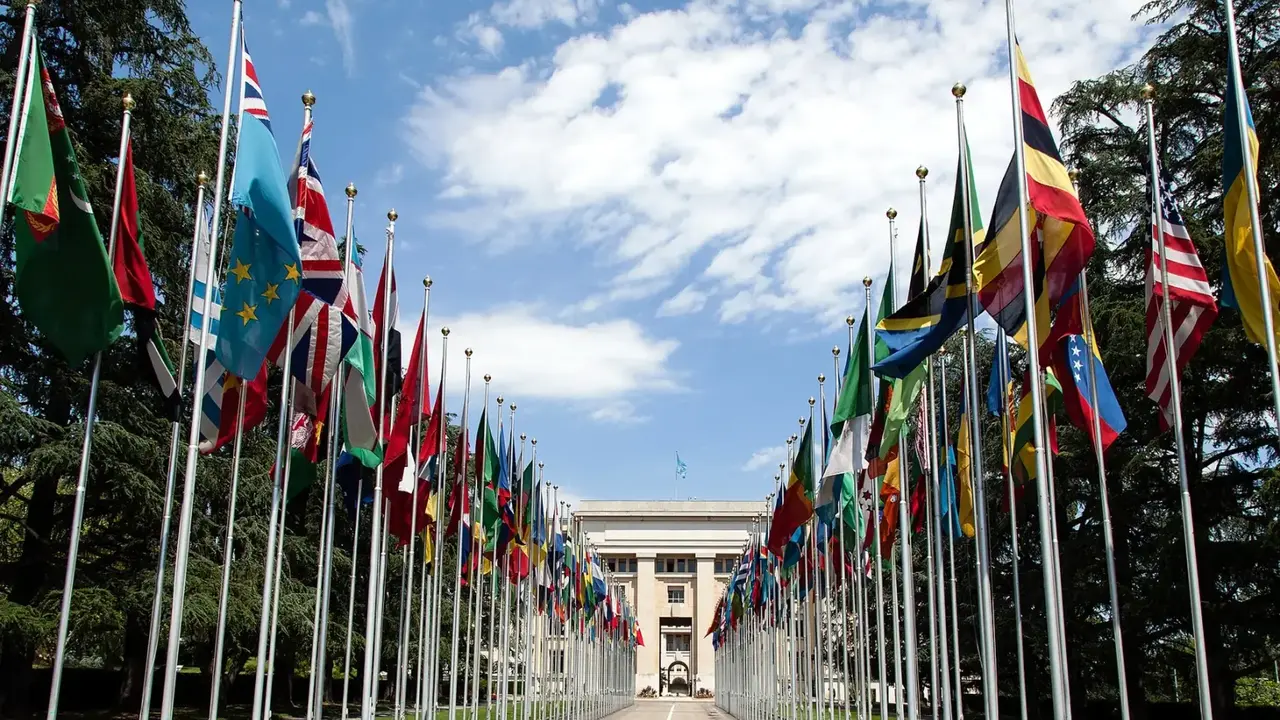
The measures target Russian banks, oil-trade networks and people linked to e-commerce firms, alongside separate cyber and disinformation sanctions.
Key takeaways
- The EU added 145 people and entities across separate sanctions decisions announced on Nov. 16.
- Nearly 50 Russian banks and financial institutions were among those targeted.
- The measures also cover oil-trade networks and people linked to Wildberries and Ozon.
The European Union added 145 people and entities to sanctions lists on Nov. 16, targeting Russian finance and oil trade as well as cyber and disinformation activity. The measures were adopted under different sanctions regimes, not as one new sector-wide package.
In one set of decisions, the EU listed 12 people and 101 entities. Nearly 50 Russian banks and financial institutions were included. The EU said some helped handle international financial transactions and transfer state revenue; their assets in the bloc will be frozen, and providing them funds or economic resources will be prohibited.
The measures also cover Russian oil refineries, the company managing St. Petersburg Oil Terminal, and firms involved in oil exploration and production. Companies based in the United Arab Emirates, China, Seychelles and Oman were targeted over activities linked to buying and transporting Russian crude and petroleum products.
Separate decisions added 30 people and two entities over alleged Russian-linked information manipulation, disinformation and cyber activity. The list includes people linked to Social Design Agency and the NoName057(16) hacking group, which the EU linked to denial-of-service attacks on public institutions and critical infrastructure in Europe and the United States.
The EU also listed Wildberries’ sole shareholder and a person controlling a majority stake in Ozon. The announced restrictions apply to those individuals; the source says they do not amount to a general ban on the companies’ activities.
This article was produced with the help of AI technology. Based on reporting by the outlets listed above.