German Economy Grows 0.2% in Third Quarter, Beating Forecasts
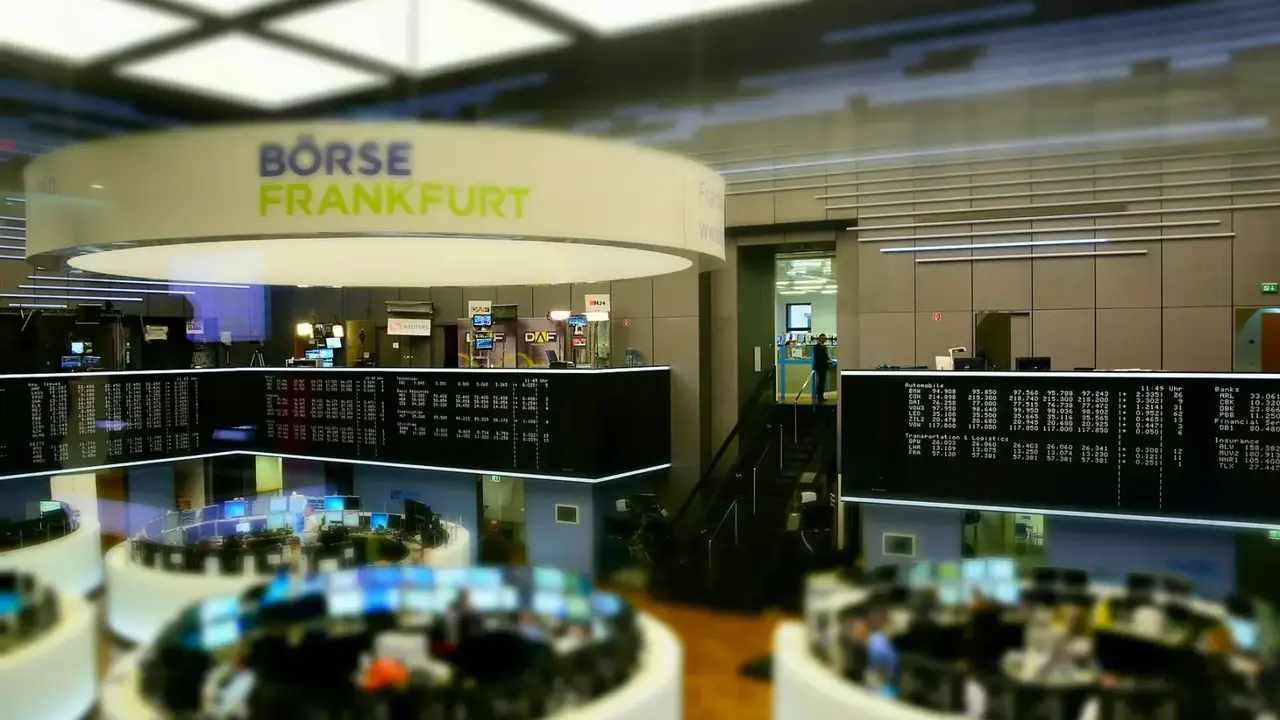
Preliminary data showed a quarterly gain as household spending edged up, while investment fell and export growth slowed.
Key takeaways
- Germany’s GDP rose 0.2% in the third quarter from the previous quarter.
- Consumption edged higher, while investment declined and export growth slowed.
- The Ifo business climate index rose for a sixth consecutive month.
Germany’s economy grew 0.2% in the third quarter from the previous three months, according to a preliminary estimate from the Federal Statistical Office. Economists had mostly expected no growth.
GDP was 1.2% higher than a year earlier on a calendar-adjusted basis, compared with 1.0% annual growth in the second quarter. The economy expanded 0.4% in the first quarter and 0.3% in the second.
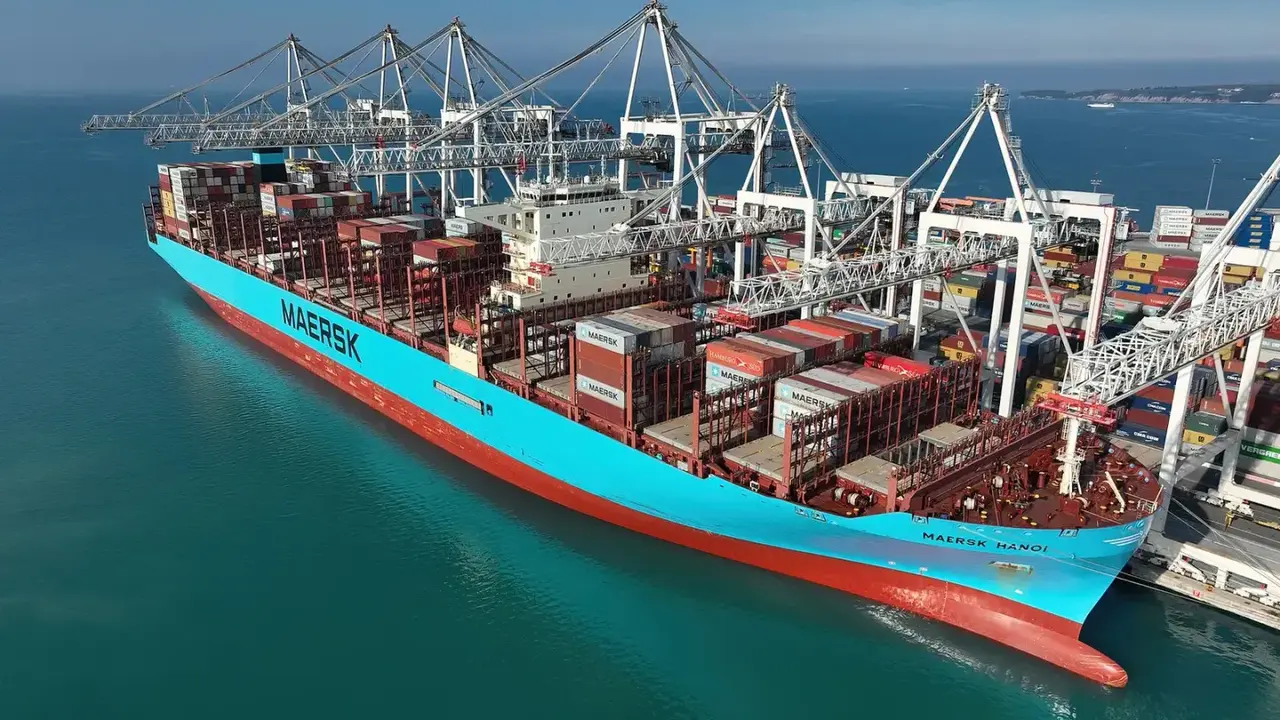
Household consumption rose slightly, but investment fell and export growth weakened, the statistics office said. Low water levels on the Rhine also slowed inland shipping and weighed on industries including chemicals and steel.
The recovery is still uneven. Public spending on infrastructure and defense is helping support activity, while households remain cautious amid high prices and a weak labor market. Economists and the government expect growth of more than 1% for 2026, according to tagesschau.
The Ifo business climate index rose for a sixth consecutive month. The Berlin-based DIW institute expects the economy to pick up in the fourth quarter, while saying a broad-based recovery has yet to take hold.
This article was produced with the help of AI technology. Based on reporting by the outlets listed above.