Grab, SoftBank and Petros Propose $1.85 Billion Malaysia AI Investment
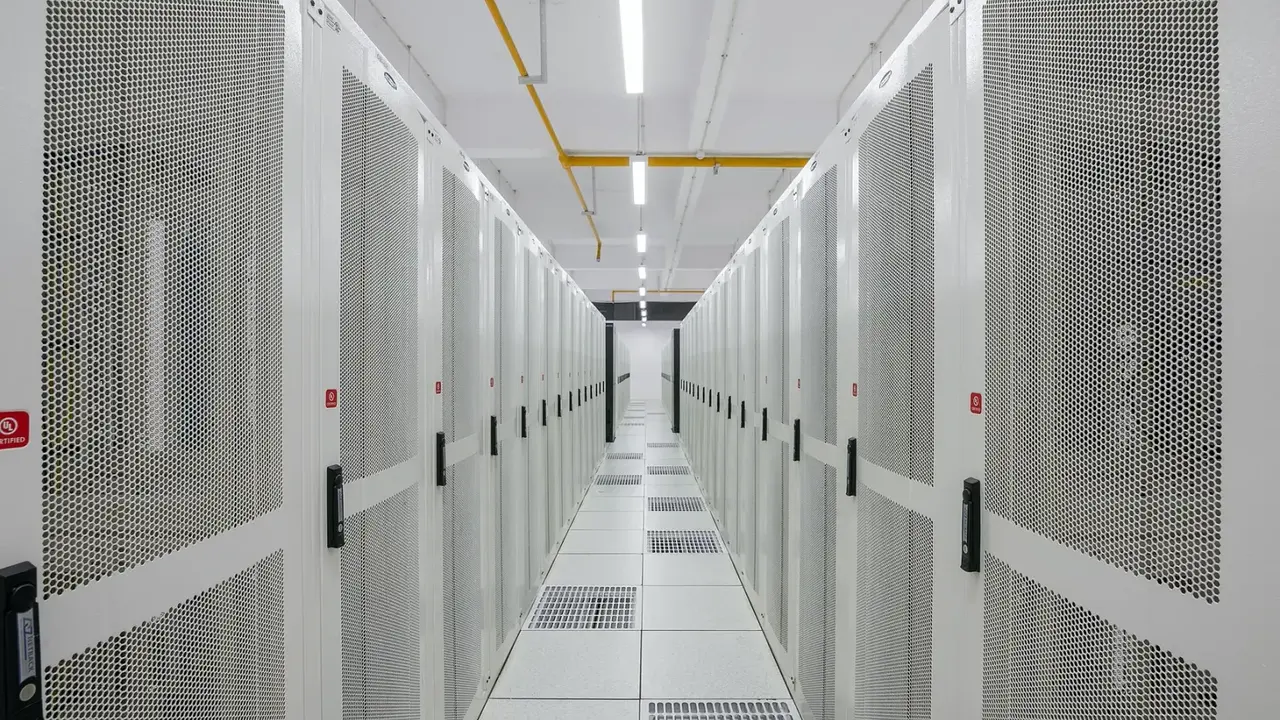
The companies plan staged funding for AI infrastructure, with further investors and customers sought to support development and expansion.
Key takeaways
- The proposed initial investment totals US$1.85 billion.
- SoftBank, Grab and Petros plan to contribute US$1 billion, US$750 million and US$100 million.
- Funding will be deployed in stages tied to development and customer contract milestones.
- The projects have a long-term capacity target of at least five gigawatts.
Grab, SoftBank and Petroleum Sarawak (Petros) proposed an initial US$1.85 billion investment to develop AI infrastructure in Malaysia. SoftBank would contribute US$1 billion, Grab US$750 million and Petros US$100 million.
The funding would be deployed in stages, subject to development and customer contract milestones. The companies also plan to seek additional investors and hyperscaler customers to support the project.
The deal follows a separate agreement announced Monday for developments in Sarawak. That project has a proposed initial investment of US$1 billion, including US$800 million from SoftBank and US$100 million each from Grab and Petros.
Together, the investments are part of a multi-year plan to build AI capacity in Sarawak and peninsular Malaysia, with a long-term target of at least five gigawatts. The facilities are to follow Malaysia’s renewable energy guidelines and be designed to reduce water use and reliance on local power grids.
Grab CEO Anthony Tan is expected to oversee development of both projects and appoint teams for day-to-day operations. SoftBank has agreed in principle to a five-year lock-up of its Grab shares.
Citi analyst Alicia Yap described the plan as a potential expansion into compute assets with high returns on investment. She said phased funding, third-party equity and project-level financing would help limit balance-sheet exposure.
This article was produced with the help of AI technology. Based on reporting by the outlets listed above.