Gulf Economies Face Uneven 2026 Outlook as War Disrupts Energy Trade
IMF forecasts point to sharp contraction in Qatar, while Saudi Arabia and the UAE are still expected to grow in 2026.
Key takeaways
- The IMF forecast Qatar's economy would shrink 8.6% in 2026 and Bahrain's 0.5%.
- Saudi Arabia and the UAE were forecast to grow 3.1% in 2026.
- Gulf oil production fell 45% in April, according to the OECD.
- Saudi Arabia's PIF announced a five-year domestic investment plan worth $925 billion.
The IMF forecast in April that Qatar’s economy would contract 8.6% in 2026 and Bahrain’s would shrink 0.5%. Saudi Arabia and the United Arab Emirates were each expected to grow 3.1%, as the war’s economic effects vary across the Gulf.
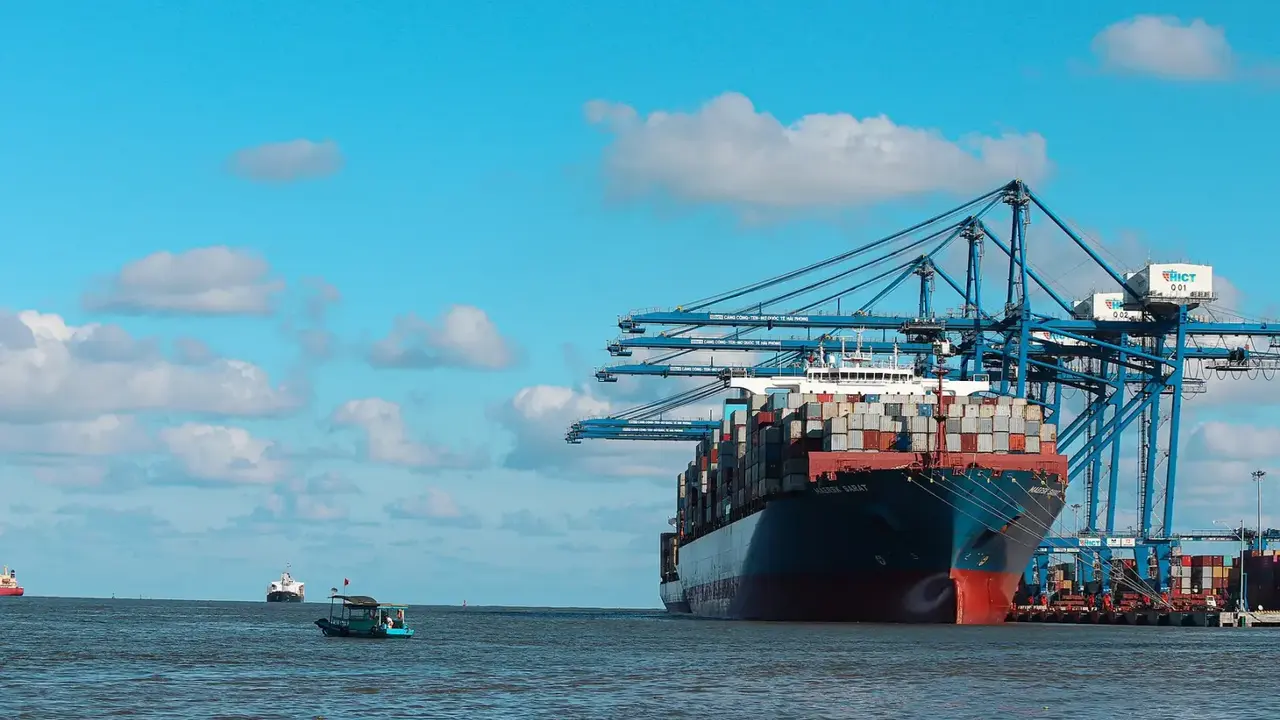
The OECD’s 2026 Economic Outlook said global oil supply fell 12% from February to April, while Gulf oil production dropped 45% in April. Disruptions to energy infrastructure and shipping through the Strait of Hormuz have put pressure on the region’s trade and exports.
Qatar’s damaged production facilities have also affected liquefied natural gas exports. Financial Times data cited in the report showed that shipments through Hormuz remained more than a third below prewar levels, even as weekly daily shipments by Gulf oil producers outside Iran reached 24.6 million barrels by October 18.
Saudi Arabia’s Public Investment Fund announced a five-year plan focused on domestic investment, valued at $925 billion. The program includes projects in artificial intelligence, mining and attracting foreign investment.
The UAE is continuing AI investments under a $1.4 trillion investment commitment announced with the United States. Its central bank also announced a banking-sector support package in March to ease access to liquidity and allow greater flexibility in using capital buffers.
This article was produced with the help of AI technology. Based on reporting by the outlets listed above.