IMF Says Turkey Needs Tight Policy After Difficult Year
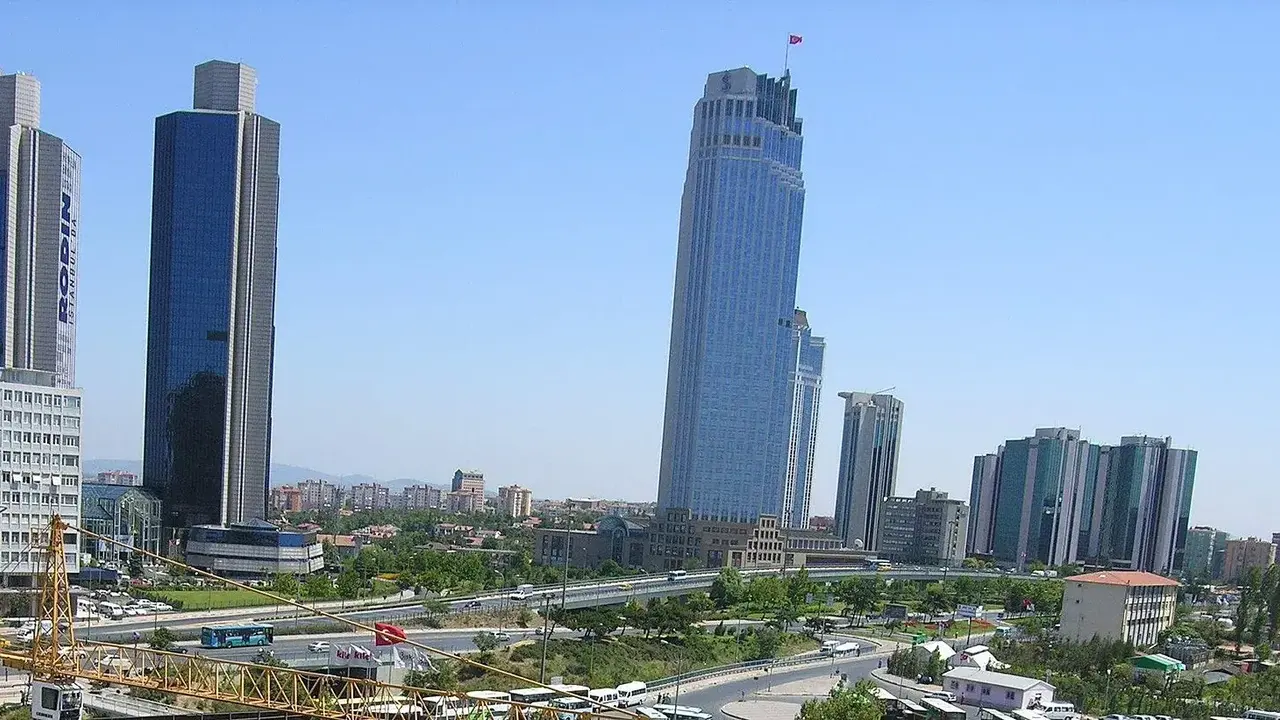
The fund said policy steps helped preserve financial stability, but urged continued disinflation efforts and a larger, earlier fiscal adjustment.
Key takeaways
- The IMF said policy steps helped limit energy-price effects on inflation and preserve financial stability.
- It called for monetary policy to remain tight enough to speed disinflation.
- The IMF urged a larger, earlier fiscal adjustment than planned for 2027-2029.
The IMF said Turkey had faced a difficult year despite progress under its economic stability program. In preliminary findings after a staff visit under its Article IV consultation, the fund cited a major terms-of-trade shock from conflict in the Middle East and September stress in investment funds.
The IMF said policy measures helped Turkey weather the shocks, limit the effect of the energy price shock on inflation and preserve financial stability. It expects economic growth to recover gradually and inflation to decline slowly.
Monetary policy should remain tight enough to speed disinflation and re-anchor expectations, the IMF said. It also called for a larger and more front-loaded fiscal adjustment than outlined in Turkey’s 2027-2029 Medium-Term Program, supported by better revenue collection and spending efficiency.
The fund said the banking system remained resilient through repeated shocks. Although capital buffers had fallen, they remained above legal requirements, and simulations indicated banks could withstand adverse scenarios, including sharp interest-rate increases and exchange-rate volatility.
The IMF also said structural reforms could lift potential growth and ease the costs of lowering inflation. It called for reforms building on Turkey’s development and industrial strategies to support employment and competition.
This article was produced with the help of AI technology. Based on reporting by the outlets listed above.