India’s biggest IPOs are offering investors smaller equity slices
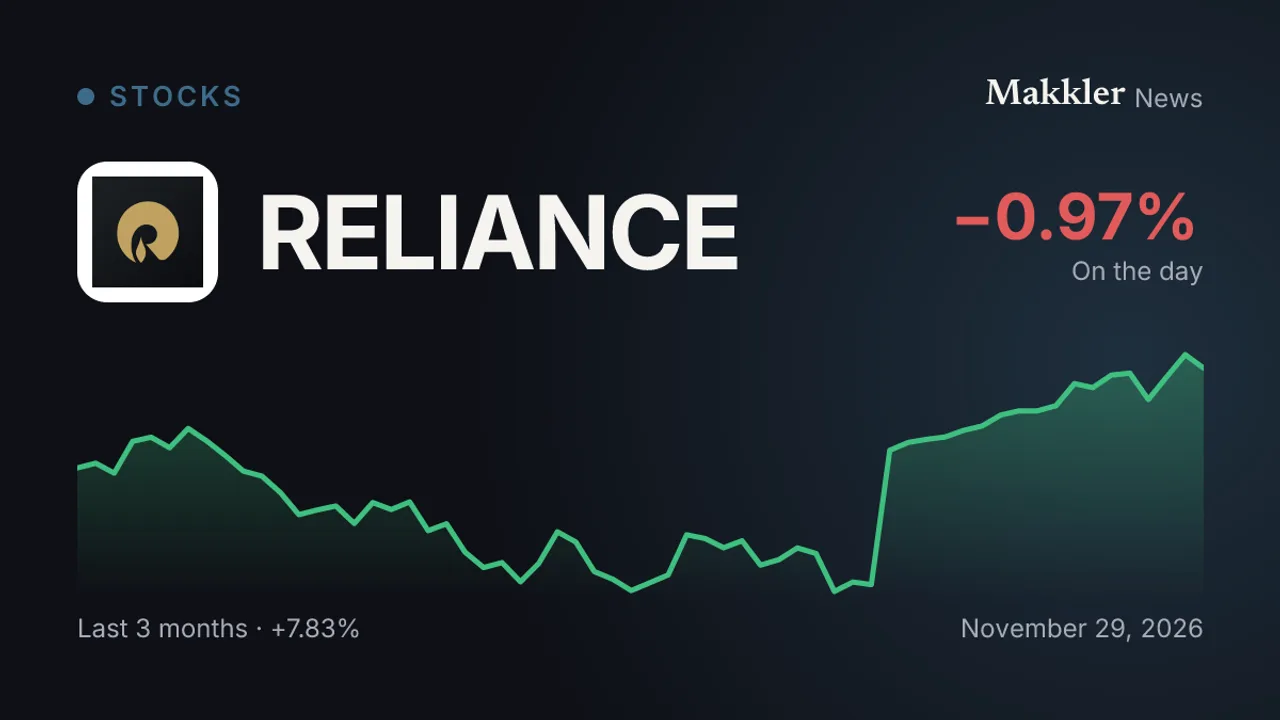
Jio sold 2.9% of its equity in October, while data show India’s largest offerings generally float less than smaller IPOs.
Key takeaways
- Jio floated 2.9% of its post-issue equity in its October IPO.
- The 20 largest IPOs in a 673-offering analysis had a median float of 13.5%.
- IPO returns varied, with gains and losses among the six largest issues.
Jio Platforms raised ₹30,213 crore in October while selling 2.9% of its post-issue equity, the smallest share among 2026’s large listings. NSE floated 5.1% and SBI Funds Management 8.4%, according to the article’s data.
An analysis of 673 IPOs closed between January 2025 and November 2026 found that larger issuers tended to sell smaller portions of their equity. The 20 largest offerings had a median float of 13.5%, compared with 25.2% for smaller mainboard companies and 27% for small and medium enterprise issuers.
Why large IPOs float less
For IPOs worth at least ₹5,000 crore, the median share offered was about 11% in 2025 and 10% in 2026. By comparison, roughly 70 mainboard issues below ₹1,000 crore in 2025 and 78 so far in 2026 had a median float of 25.1%.
Securities rules set a 10% minimum for companies valued below ₹1 trillion. For companies valued above ₹5 trillion, rules notified in March 2026 allow a minimum public offer of 2.5%.
Gaurav Didwania of Qode Advisors said large issues are sized to what the market can absorb at one time, and suggested issuers may expand their public floats in stages. Gaurav Kulshreshtha of Nexedge Capital said index-related demand could help absorb additional shares as free float rises.
Returns vary after listing
Companies listing with less than 15% public shareholding must raise it to 15% within five years and eventually to 25% within 10 years, under the post-2026 rules described in the report. SBI Funds listed with an 11.8% non-promoter holding.
Returns across the six biggest issues ranged from a 10% loss to a 40% gain against offer prices, suggesting small floats have not produced a consistent scarcity premium. Jio was up 25.2% on November 13, while SBI Funds was down 10.2% and ICICI Prudential AMC was up 40.5%, according to the report.
This article was produced with the help of AI technology. Based on reporting by the outlets listed above.