Jet Fuel Costs Squeeze Airlines as IATA Cuts Profit Outlook
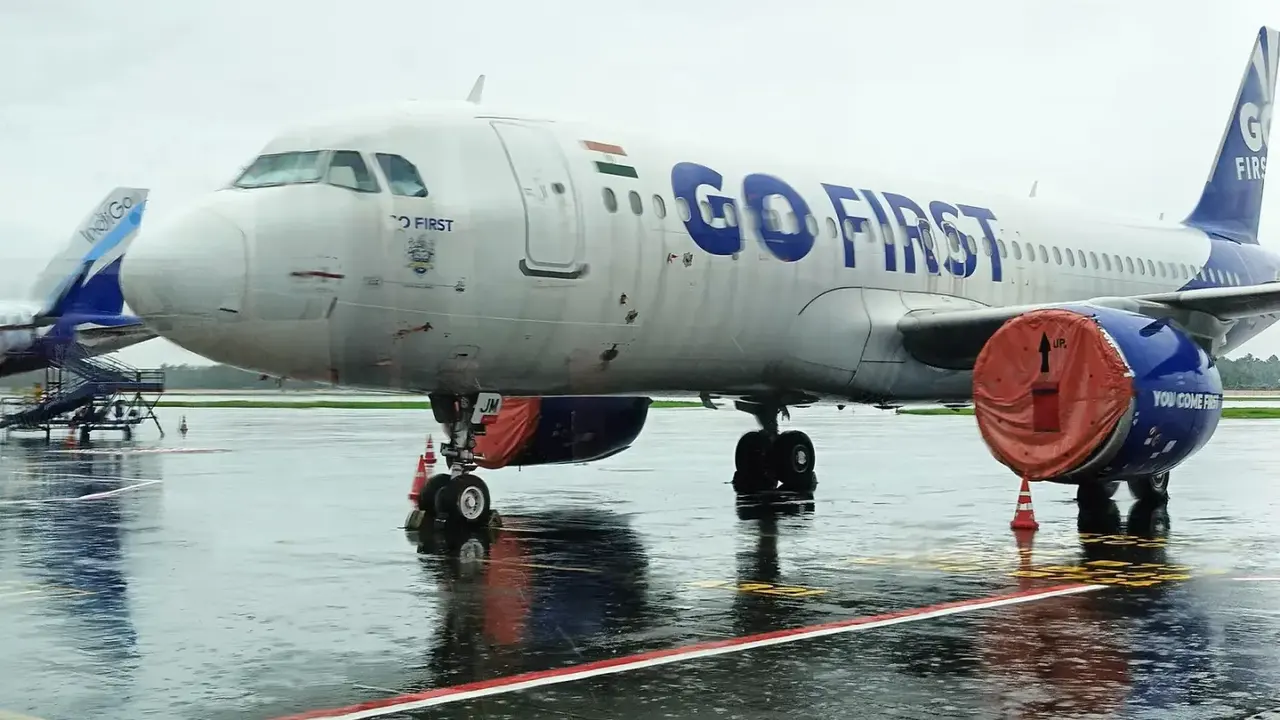
IATA expects the industry's net profit to fall to $23 billion as fuel costs rise, with airlines trimming forecasts and capacity plans.
Key takeaways
- IATA expects airlines' combined fuel bill to reach $350 billion this year.
- The industry’s expected net profit has fallen from $45 billion to $23 billion.
- EasyJet reported a 96% drop in annual pretax profit and plans winter flight cancellations.
- Turkish Airlines lowered its annual passenger-capacity growth target.
IATA expects global airlines’ fuel bill to rise 40% to $350 billion this year, while industry net profit falls from $45 billion to $23 billion. The association cited conflict in the Middle East, disrupted energy shipments through the Strait of Hormuz and airspace restrictions as drivers of higher costs.
Jet fuel in the Middle East reached $164.39 a barrel at the end of October, up 96% from a year earlier, according to the article. Longer routes caused by airspace restrictions have also increased fuel use.
US carriers faced higher fuel expenses in the third quarter. American Airlines’ fuel costs rose 67.5% to $4.63 billion, and it reported a $269 million net loss; Delta’s adjusted fuel costs increased 62% to $4.14 billion.
European airlines have raised some forecasts and adjusted plans. EasyJet’s pretax profit for the financial year ended in September fell 96% to £24 million, and the airline decided to cancel thousands of winter flights to save fuel. Lufthansa lowered its annual operating-profit outlook, while Air France-KLM raised its forecast for annual fuel costs to $9.2 billion.
Turkish Airlines reported $929 million in third-quarter operating profit, but reduced its annual passenger-capacity growth target from 10% after the impact of regional conflict on demand and costs. UBS expects European short-haul capacity growth to reach zero in the fourth quarter and capacity to contract by about 1% in the second quarter of 2027.
This article was produced with the help of AI technology. Based on reporting by the outlets listed above.