Metinvest Warns EU Steel Limits Deepen Ukraine’s Industry Crisis
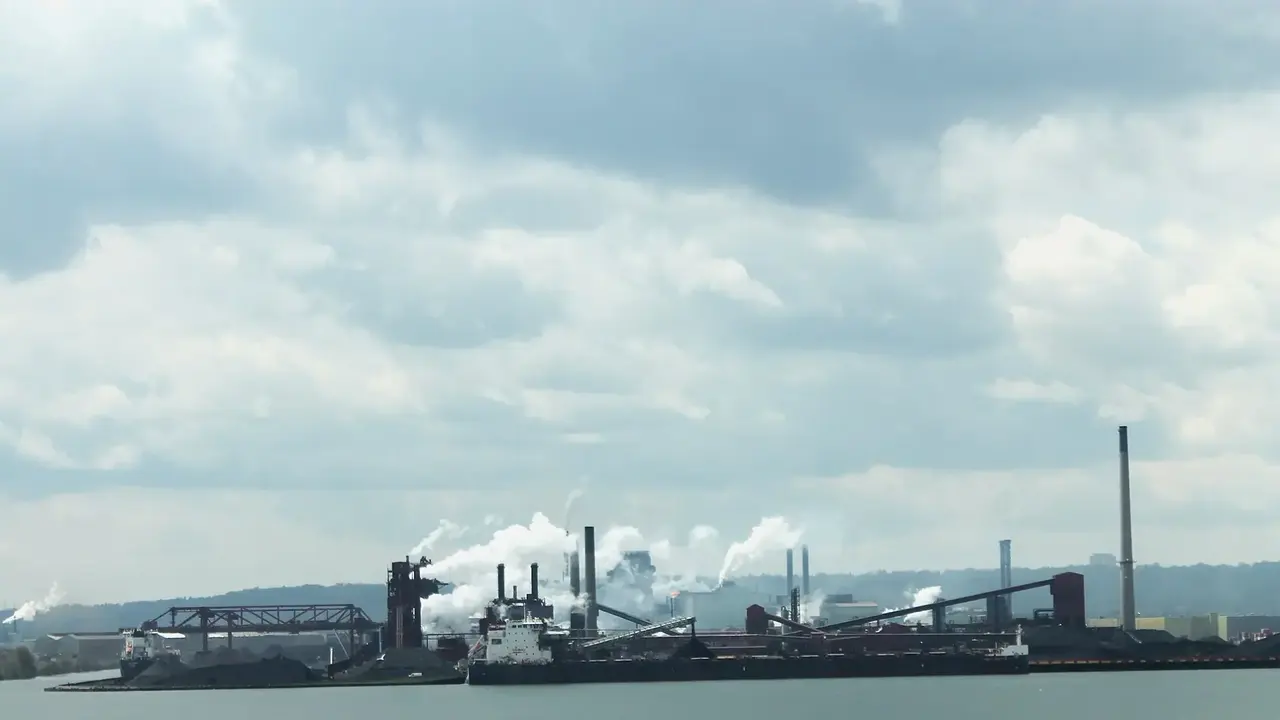
Metinvest faces continued Russian attacks and tighter access to the EU, its key available market, as Ukrainian steel output remains far below 2021 levels.
Key takeaways
- GMK Center expects EU measures to reduce Ukrainian steel exports by 1.3 million to 1.5 million tonnes versus 2025.
- Metinvest stopped both of its steel mills after heavy bombing in August and September.
- Ukraine’s steel production fell from 21 million tonnes in 2021 to 7.4 million tonnes in 2025.
- Metinvest CEO Yuriy Ryzhenkov said the industry needs access to markets to remain viable.
Metinvest, Ukraine’s largest steel producer, faces pressure from Russian attacks and tighter access to the European Union market. The new EU import limits are expected to reduce Ukrainian steel exports by 1.3 million to 1.5 million tonnes compared with 2025, according to Ukrainian consultancy GMK Center.
The disruption comes as the company tries to keep operating despite repeated damage to its facilities. Metinvest CEO Yuriy Ryzhenkov said the company had to stop both of its steel mills after a severe bombing campaign in August and September. He said 14 people were lost at the mills in the attacks.
A shrinking export market
The EU introduced new steel tariffs in July, capping duty-free imports at 18.3 million tonnes a year. Ryzhenkov said the quotas allocated to Ukraine were 60% lower than the amount supplied the previous year, when the country’s seaports were already closed.
He argued that the limits do not account for Ukraine’s circumstances, including disruptions to logistics and energy supply and the availability of workers. The EU has said it recognizes Ukraine as a unique case, while negotiations continue.
The EU market is especially important because of the blockade of seaports. Ryzhenkov said that when Russia’s full-scale invasion began, the EU removed restrictions on Ukrainian steel, describing that decision as the right response.
Damage to production
Metinvest lost control of its Azovstal and Ilyich plants in Mariupol after Russia’s 2022 invasion. The two facilities accounted for almost half of Ukraine’s steelmaking capacity, according to the article.
Ukraine’s steel production fell from 21 million tonnes in 2021 to 7.4 million tonnes in 2025. Over the same period, steel export value dropped from $22 billion to $6 billion, while tax revenues declined from $3.5 billion to $870 million.
Ryzhenkov said steelmaking typically requires capacity use above 90% to be profitable, even in normal conditions. “There is pretty much no future without a market to which you can sell,” he said, warning that restricted access to the European market and limited prospects for investment threaten the industry’s future.
This article was produced with the help of AI technology. Based on reporting by the outlets listed above.