Oil Slips as Iran Talk Hopes Compete With Hormuz Risks
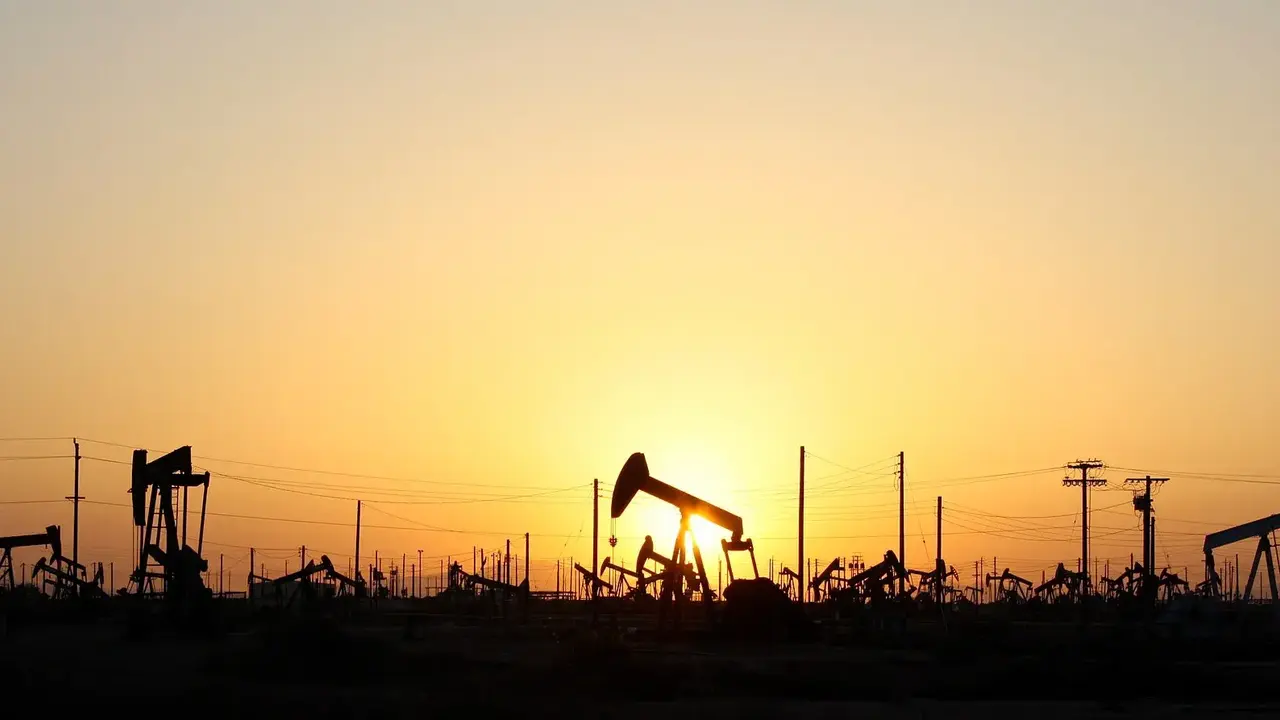
Brent and WTI fell in early trading, while shipping threats and unresolved US-Iran demands kept supply concerns in focus.
Key takeaways
- Brent fell 0.4% to $88.90 a barrel in early trading Tuesday.
- The Iranian Revolutionary Guard navy said three tankers caught fire after hitting mines in the Strait of Hormuz.
- The International Energy Agency expects an oil supply surplus this quarter.
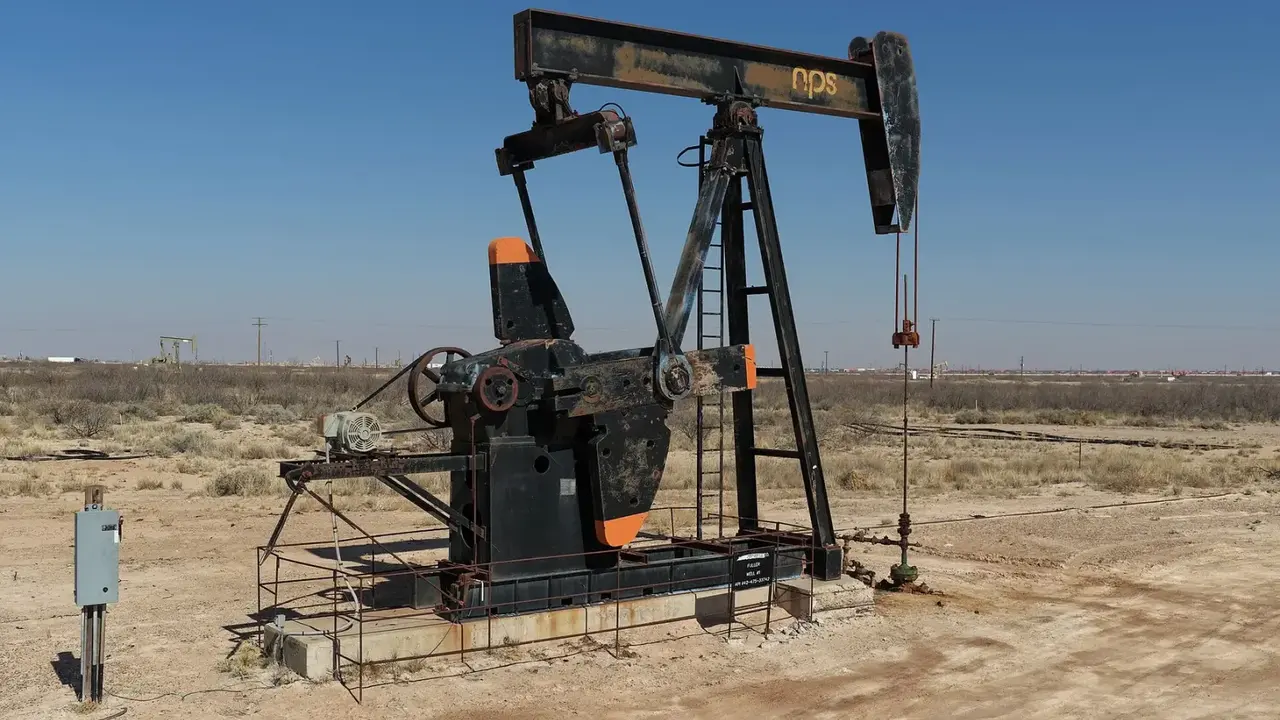
Oil prices extended their declines in early trading Tuesday as hopes for US-Iran negotiations outweighed continued risks to shipping through the Strait of Hormuz. Brent fell 0.4% to $88.90 a barrel, while West Texas Intermediate slipped 0.2% to $79.90.
Later, at 15:00 UTC, January US crude futures traded at $81.59, up 1.77% from the previous close. Brent had settled Monday at its lowest level since August 31, while WTI touched its lowest since August 26.
According to Axios, US Vice President JD Vance met Qatar’s prime minister to discuss negotiations with Iran. Qatar has acted as a mediator in efforts to resolve the conflict, which Bloomberg HT reported had continued for nearly nine months.
Shipping risks remained elevated. Iran’s Revolutionary Guard navy said three tankers it described as “violating” caught fire in the strait on Monday after hitting naval mines. The US is also investigating whether Iran was involved in cyberattacks on as many as 50 energy tankers, the Wall Street Journal reported.
Crude exports from the Persian Gulf have remained resilient despite the disruption, according to ING strategist Ewa Manthey. The International Energy Agency expects a supply surplus this quarter, while Goldman Sachs has pointed to a possible glut next year.
The sides still have major differences. Tehran wants the US naval blockade of its ports lifted, sanctions eased and frozen assets released before fully reopening the Strait of Hormuz. Washington is seeking concessions on Iran’s nuclear program.
This article was produced with the help of AI technology. Based on reporting by the outlets listed above.