Social Security Trust Fund Projected to Run Dry in 2032
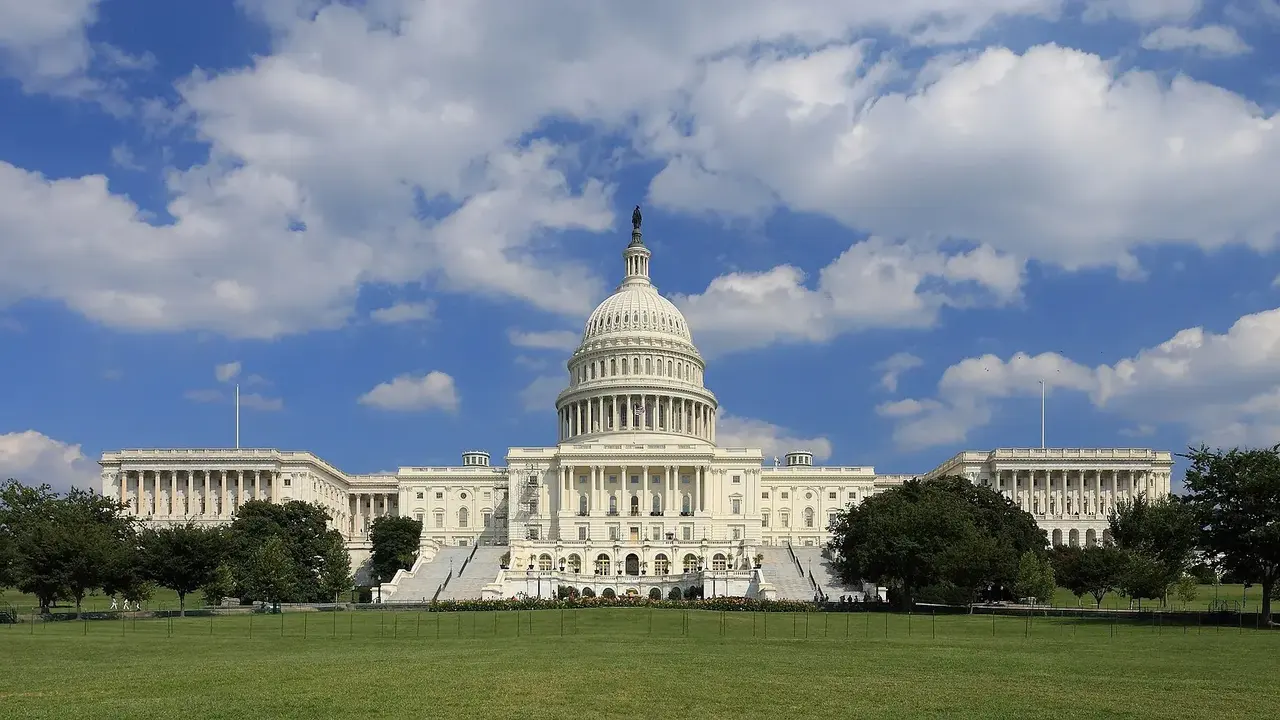
Trustees project reserves will be depleted in late 2032, leaving payroll taxes to cover 78% of scheduled benefits unless lawmakers act.
Key takeaways
- Trustees project the retirement trust fund will run out of reserves in the fourth quarter of 2032.
- After reserves are depleted, incoming payroll taxes would cover 78% of scheduled benefits.
- The Committee for a Responsible Federal Budget estimates a typical dual-income couple retiring in 2033 would lose about $16,900 a year.
- Options include raising payroll taxes, lifting the taxable earnings cap or slowing benefit growth.
Social Security’s retirement trust fund is projected to run out of reserves in the fourth quarter of 2032, according to the 2026 Trustees Report. After that, incoming payroll taxes would cover 78% of scheduled benefits, resulting in a 22% cut if lawmakers do not change the program.
The reduction would apply to people already receiving benefits as well as future retirees. The Committee for a Responsible Federal Budget estimates that a typical dual-income couple retiring in 2033 would lose about $16,900 a year.
What the projection means
The trust fund’s reserves cover the gap between Social Security’s income and its benefit payments. Payroll taxes would continue after the reserves are depleted, so the program would still pay benefits, accounting professor Martin Mulyadi said.
In 2025, Social Security took in about $1.45 trillion and paid out about $1.61 trillion, with reserves covering the difference, Mulyadi said. The retirement fund’s costs began exceeding its total income in 2021, according to the Congressional Research Service.
The disability trust fund is in better shape, with trustees not projecting it will run dry in the next 75 years. A legal merger of the two funds would extend combined reserves until 2034, after which they would cover 83% of benefits, according to the Committee for a Responsible Federal Budget. Such a change would require new legislation and would not erase the shortfall.
Options for lawmakers
Potential changes include raising the full retirement age from 67 to 69, increasing the payroll tax rate for workers and employers, and lifting the cap on earnings subject to the tax. Another option would use a different inflation measure to calculate annual cost-of-living adjustments, slowing benefit growth.
Each approach has trade-offs, Mulyadi said. The 1983 amendments gradually raised the full retirement age and made some benefits subject to federal income tax. That fix was designed to keep the program solvent for 75 years; if the current projection holds, the retirement fund will have lasted about 50 years.
AARP executive Nancy LeaMond said Congress has options to address the shortfall without cutting payments. More than one in five Americans do not know benefits could face a roughly 20% cut, according to a recent TIAA survey.
This article was produced with the help of AI technology. Based on reporting by the outlets listed above.