Sulfur Shortage Pushes Up Costs for Fertilizer and Mining
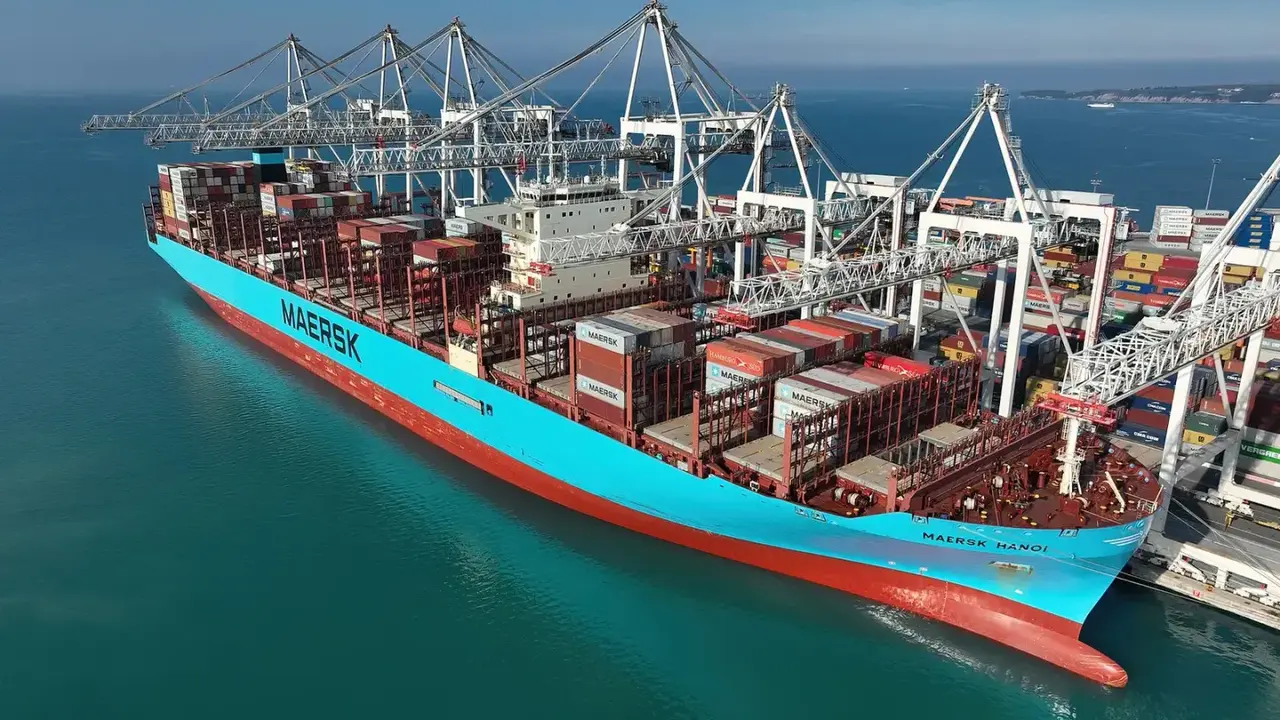
Disrupted Gulf supply and export restrictions have tightened sulfur markets, with producers in several industries facing shortages and higher costs.
Key takeaways
- Sulfur shipments topped $1,000 per ton in June, according to the report.
- Middle East sulfur exports are expected to fall below 11 million tons in 2026.
A global sulfur shortage is raising costs for fertilizer makers and putting pressure on mining operations. Shipments to several regions topped $1,000 per ton in June, reaching record levels, according to Ekonomim.
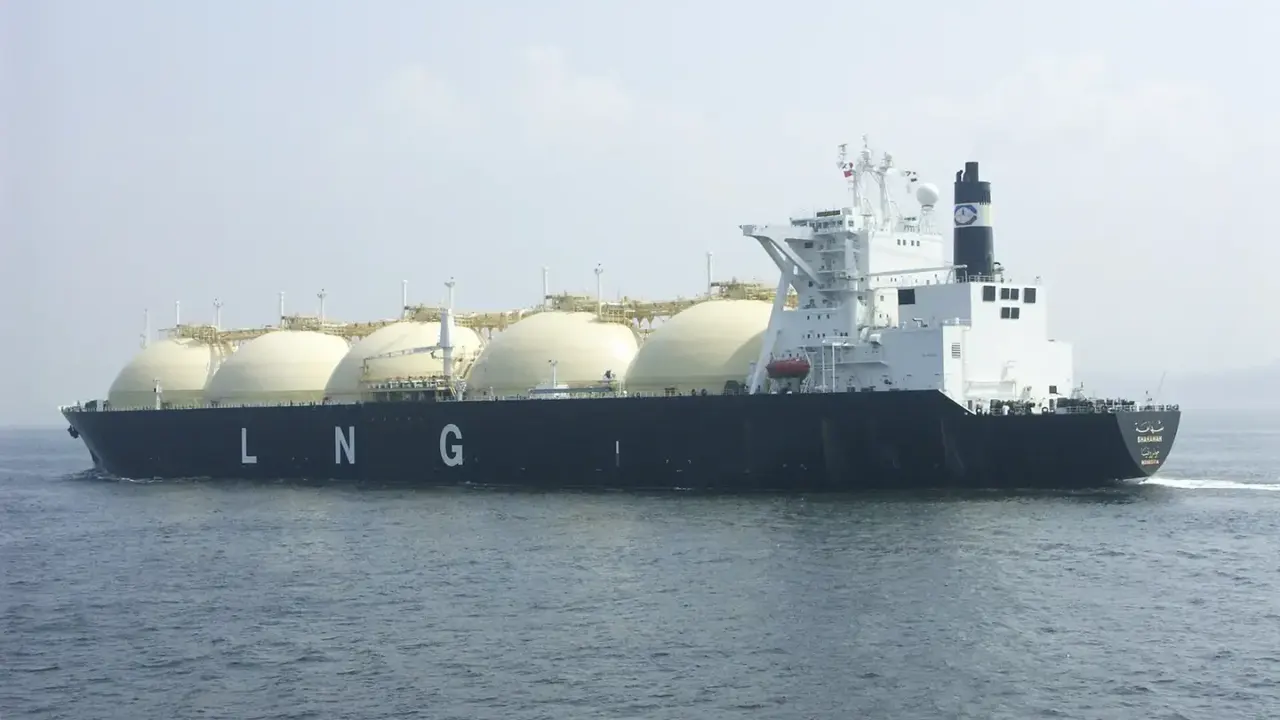
Citing The Economist's assessment, Ekonomim said the Iran war has disrupted Gulf refineries and sulfur shipments. The Strait of Hormuz closure has constrained about a quarter of global sulfur production and roughly half of seaborne exports, the report said.
Middle East sulfur exports are expected to fall below 11 million tons in 2026, down from 20.5 million tons in 2025. Russia, India, Kazakhstan and Turkey have also suspended sulfur exports, while China banned sulfuric acid exports in May.
The shortage is affecting phosphate fertilizer production, which uses sulfuric acid. Some plants in the United States, Brazil, Egypt and Morocco have halted or slowed production, according to the report.
Mining is also under pressure: sulfur purchases in Indonesia fell 75%, and nickel miners brought forward maintenance work. New capacity expected in China and India may not close the supply gap quickly; near-term relief depends on Gulf shipments resuming, Ekonomim said.
This article was produced with the help of AI technology. Based on reporting by the outlets listed above.