Turkey Keeps Anti-Dumping Duties on Yarn Imports for Five More Years
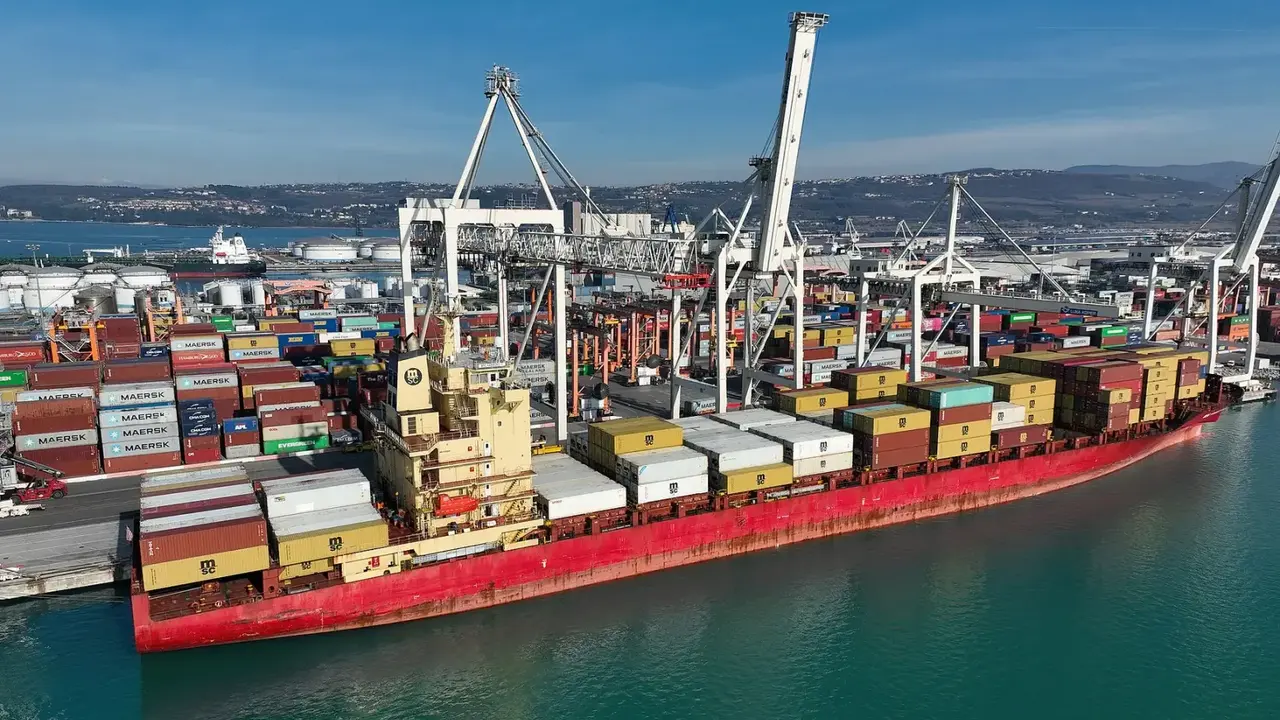
The measures cover selected yarn imports from seven countries, with rates varying by producer and ranging from per-kilogram charges to percentages.
Key takeaways
- Turkey extended anti-dumping measures on selected yarn imports from seven countries for five more years.
- China's duties range from $0.49 to $0.80 per kilogram, depending on the producer.
- Vietnam's percentage-based rates range from 19.48% to 26.25%.
Turkey extended anti-dumping measures on selected man-made staple-fiber yarn imports from China, India, Indonesia, Malaysia, Pakistan, Thailand and Vietnam for five more years. The measures took effect on Nov. 18, according to a notice published in Turkey’s Official Gazette.
The Trade Ministry said it found that dumping and harm to domestic producers could continue or return if the measures were removed. The existing measures have been in place since 2020 and are set to expire after five years unless extended following another review.
Duties on Chinese yarn range from $0.49 to $0.80 per kilogram, depending on the producer. For Indian imports, they range from $0.29 to $0.39 per kilogram. Indonesian rates are $0.23 to $0.40 per kilogram for some producers, while two companies face charges of 3.62% and 5.03% of the import value including insurance and freight.
For Malaysia, the rates range from 11.26% to 18.32%; Pakistan’s range from 6.62% to 12.18%, and Thailand’s from 7.79% to 20.24%. Vietnam’s rates are 19.48% to 26.25%, depending on the producer. Per-kilogram charges cannot be directly compared with percentage-based duties.
The measure covers certain yarns under tariff headings 55.08, 55.09, 55.10 and 55.11, with specified product categories excluded. The ministry’s decision aims to protect Turkish yarn producers from price pressure, while keeping the cost burden in place for businesses that use imported yarn.
This article was produced with the help of AI technology. Based on reporting by the outlets listed above.