UNCTAD Sees Flat Sea Trade as Shipping Costs Surge
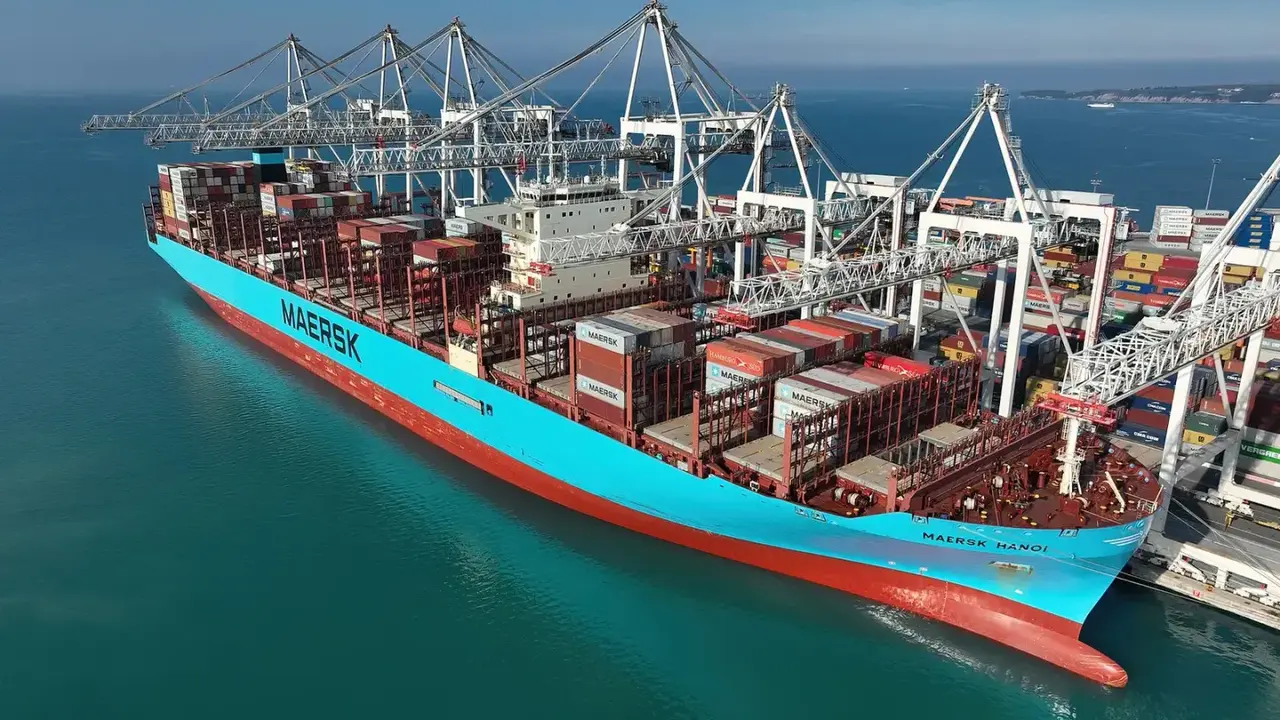
The report forecasts no growth in seaborne trade this year as longer routes and disruption raise costs across shipping.
Key takeaways
- UNCTAD expects no growth in seaborne trade in 2026.
- Container spot freight rates more than doubled from January to August year over year.
- Marine fuel costs were nearly 80% higher than before disruptions at the start of the year.
UNCTAD expects global seaborne trade to show no growth in 2026, as disruption at key shipping routes weighs on trade. Longer voyages are expected to lift demand measured in ton-miles by 1.5%, according to its 2026 maritime transport report.
Seaborne cargo volume grew 1.9% in 2025 to 12.3 billion tonnes, following 3.9% growth in 2024. Container shipping is forecast to grow 3.3%, slower than last year.
Traffic through the Strait of Hormuz, which averaged 120 ships a day before disruptions, fell 95% in early March, the report says. Red Sea security risks have sent many ships around the Cape of Good Hope, while Black Sea grain shipments remain exposed to security threats. Restrictions and changing traffic patterns have also affected the Panama Canal.
Container spot freight rates more than doubled year over year from January to August. Crude oil tanker rates reached record levels on some routes, while marine fuel costs rose nearly 80% from before disruptions at the start of the year, adding pressure to consumer prices.
UNCTAD said countries dependent on imported food and energy, small island states and less developed economies face heavier effects from rising costs. It called for stronger infrastructure investment, clear policy priorities and development measures to make maritime trade more resilient.
This article was produced with the help of AI technology. Based on reporting by the outlets listed above.