Warsh Maps Three Economic Paths for Artificial Intelligence
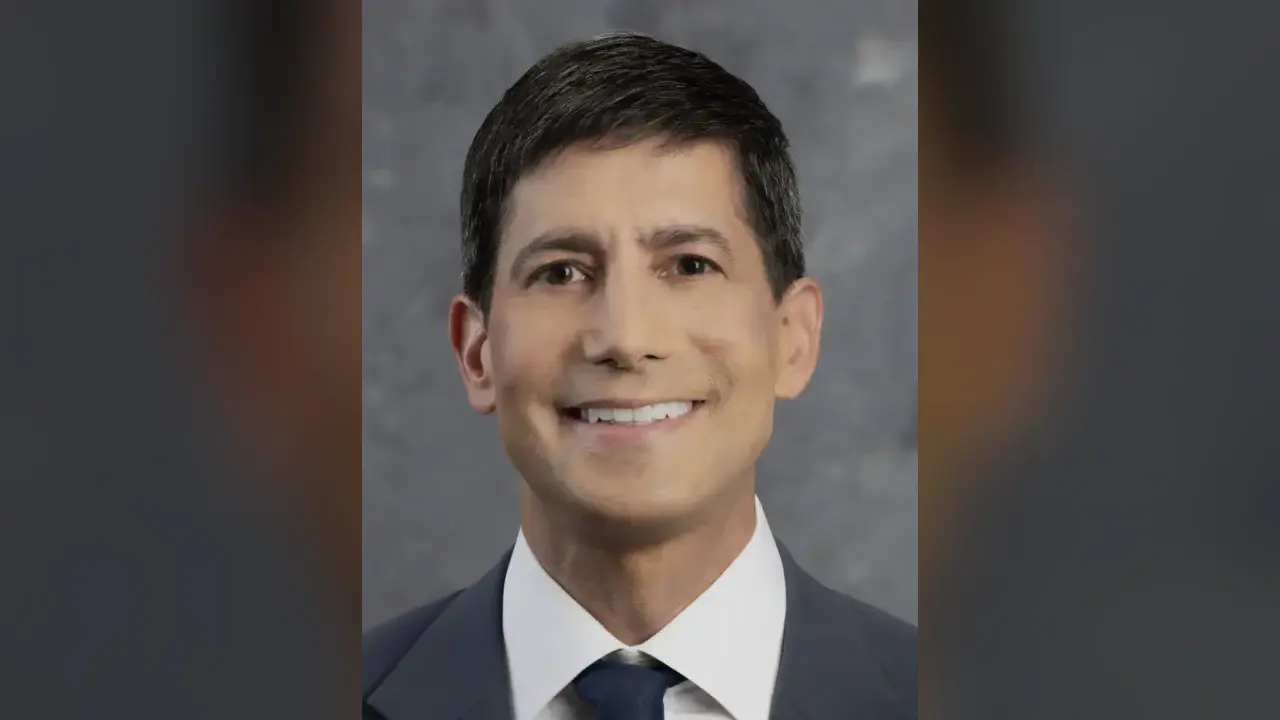
The Fed chair said AI could lift productivity and growth, but also warned of job displacement or a slowdown if investment returns disappoint.
Key takeaways
- Warsh outlined three possible economic outcomes as AI adoption grows.
- One scenario combines productivity gains with broad economic gains and employment near full capacity.
- He warned that disappointing returns after large investments could bring a slowdown and higher unemployment.
Federal Reserve Chair Kevin Warsh outlined three possible economic paths for artificial intelligence, from broadly shared productivity gains to job losses and an investment-led slowdown.
Speaking Monday at a Fed conference in San Francisco, Warsh said AI could speed up the creation of new ideas and have significant implications for monetary policy. He said the Fed’s role was neither to promote nor oppose the technology, but to assess its economic effects.
In the most favorable scenario, productivity rises and the gains are shared across workers and capital owners. Warsh said that could keep real economic growth above its long-term average while the U.S. remains close to full employment.
A second possibility is strong growth alongside higher unemployment, if automation replaces workers in some jobs. Warsh also said AI might prove different from earlier general-purpose technologies because it could directly accelerate the production of new ideas.
In a third scenario, AI fails to meet expectations after major investment. Warsh said expected returns and stock valuations could fall, leading to an economic slowdown and a sharper rise in unemployment. The economy would eventually recover, he said, but without the anticipated productivity gains.
Fed staff have begun assessing possible outcomes, according to Warsh’s remarks. He said the central bank was preparing for the technology’s effects as its adoption spreads.
This article was produced with the help of AI technology. Based on reporting by the outlets listed above.