World Bank Sees Commodity Prices Rising 23% in 2026

The bank expects higher energy costs and shipping disruptions to lift prices, while warning that further shocks could worsen food inflation.
Key takeaways
- The World Bank projects commodity prices will rise about 23% in 2026, then fall 7% in 2027.
- Global oil supply is forecast to drop 5.2% in 2026.
- Food commodity prices are expected to rise 10.3% in 2026 and 7.2% in 2027.
- In an adverse scenario, food prices could be 12% above the bank’s baseline forecast.
The World Bank expects global commodity prices to rise about 23% in 2026, then decline 7% in 2027. Its forecast assumes no major escalation in conflicts affecting global supplies.
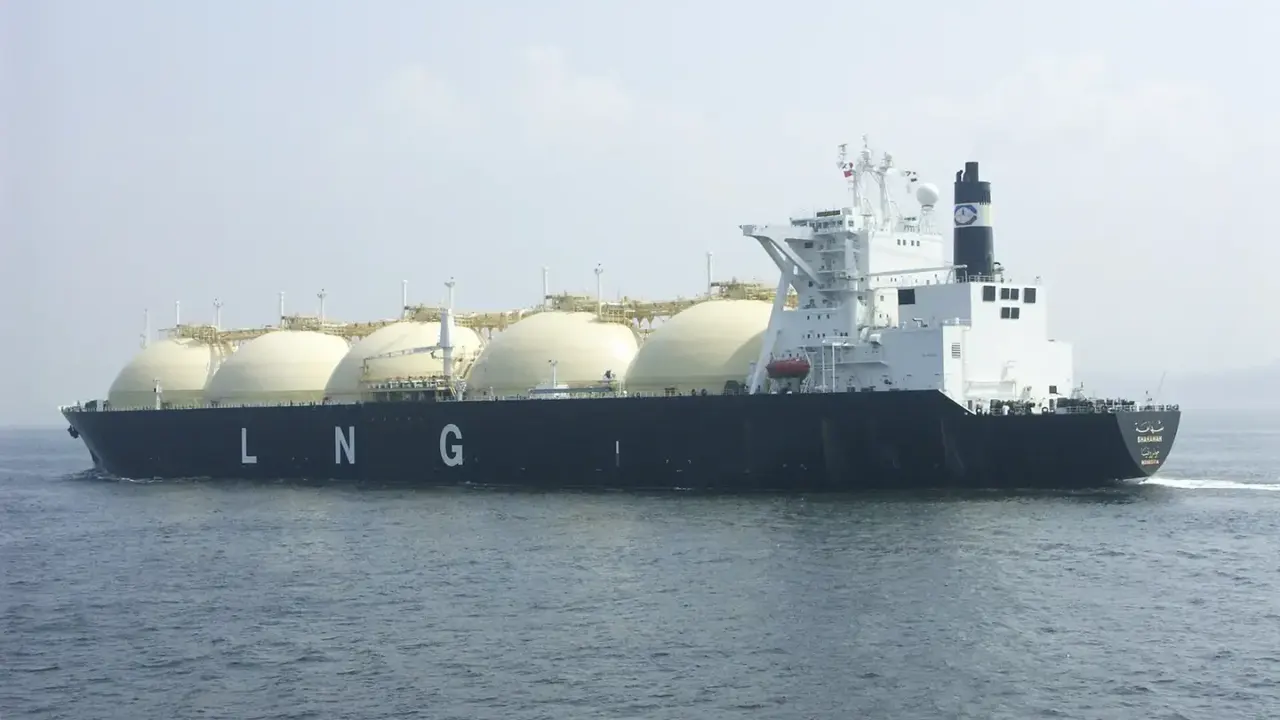
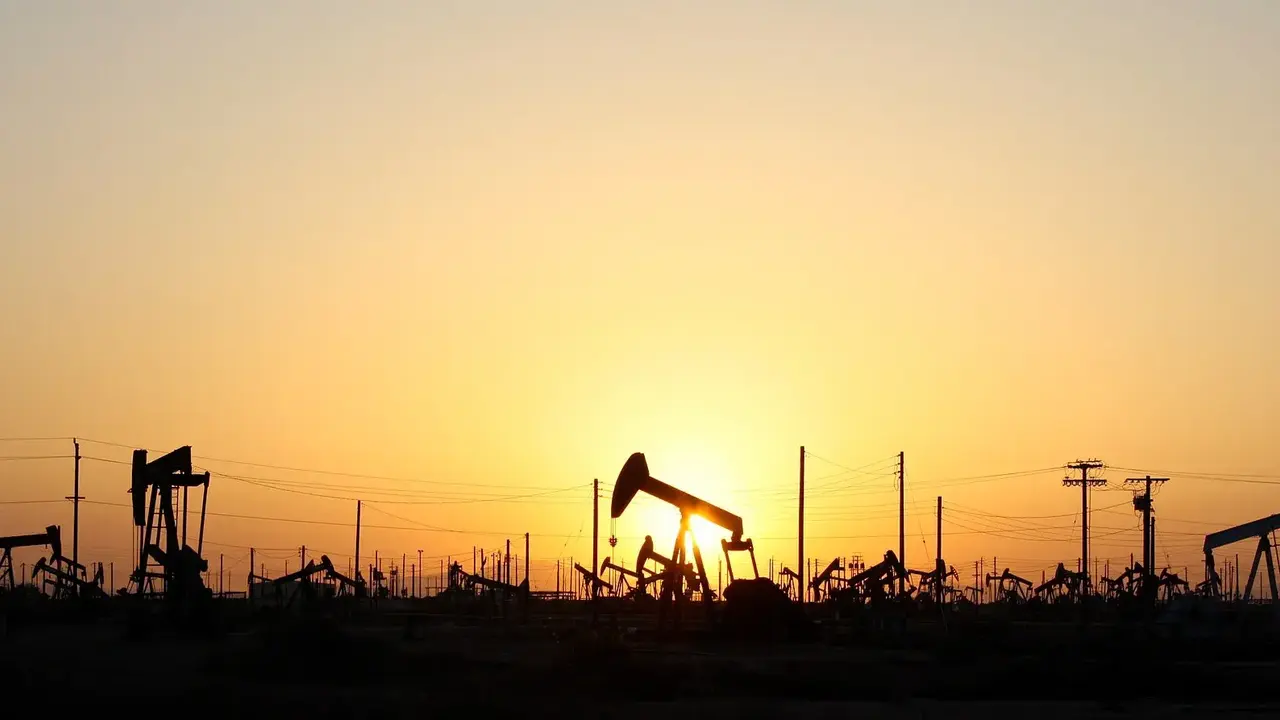
Energy prices are projected to rise 32% this year, while global oil supply is expected to fall 5.2%. The bank said that would be the largest drop in more than four decades outside the 2020 global recession.
Food commodity prices are forecast to increase 10.3% in 2026 and another 7.2% in 2027, according to the bank’s report. Disrupted grain shipments, weather risks from El Niño, and high fuel and fertilizer costs are adding pressure.
The bank warned that a combination of more severe shocks could push food prices 12% above its baseline forecast. It said that scenario could trigger a food crisis and drive more people into extreme poverty.
This article was produced with the help of AI technology. Based on reporting by the outlets listed above.