Energy Shock Revives Global Rate-Hike Cycle
Rising fuel costs are pushing central banks toward further rate increases, while analysts warn of greater recession risks in 2027.
Key takeaways
- J.P. Morgan said 17 of 37 major central banks had resumed raising rates.
- Brent crude was around $90 a barrel at November-end, about 45% above a year earlier.
- Morgan Stanley warned that persistent energy-driven inflation could raise US and European recession risks in 2027.
Energy-driven inflation has revived expectations of rate increases worldwide, with 17 of 37 major central banks resuming hikes, according to J.P. Morgan’s 2027 outlook report. The shift has raised concerns about the impact of tighter policy on global growth.
Brent crude rose above $110 a barrel in October before easing to around $90 by the end of November, still about 45% higher than a year earlier. European benchmark gas prices were around €88 per megawatt-hour at month-end, up more than 160% year over year. Eurozone inflation reached 4% in October.
Morgan Stanley Research warned that further escalation in Gulf tensions could force central banks to tighten policy more. It said the US and European economies could face recession risks in 2027 if energy costs feed persistently into core inflation.
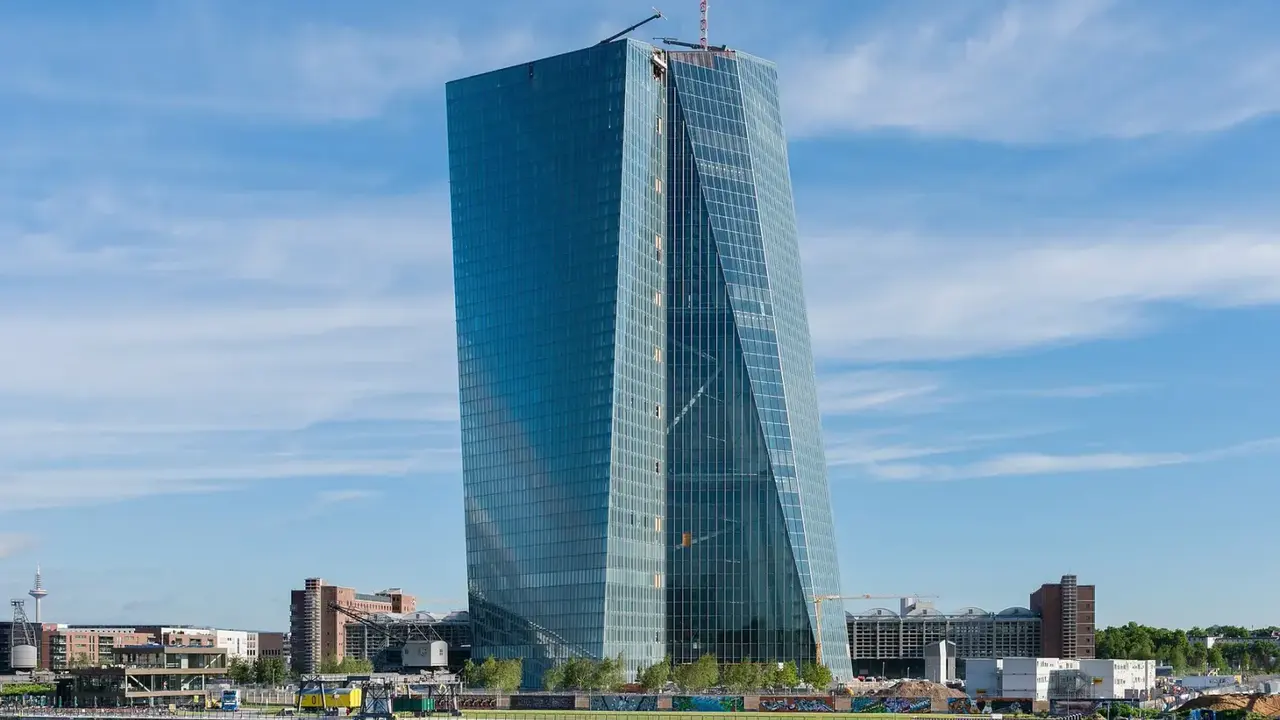
Markets are pricing in a greater than 95% chance of a Federal Reserve rate increase in December. ING expects one final increase this year followed by a pause through 2027, while BlackRock forecasts another increase in the first half of next year. ING and BlackRock also expect a December increase from the European Central Bank, though ING’s base case sees cuts returning to consideration late in 2027 if energy prices fall.
ING expects the Bank of England to raise rates again in February, potentially earlier if the energy crisis deepens. It also forecasts increases from the Bank of Japan in December and March, while expecting China’s central bank to cut rates by 10 basis points around mid-2027.
This article was produced with the help of AI technology. Based on reporting by the outlets listed above.