Germany’s Metal Deal Links Longer Hours to Job and Investment Pledges
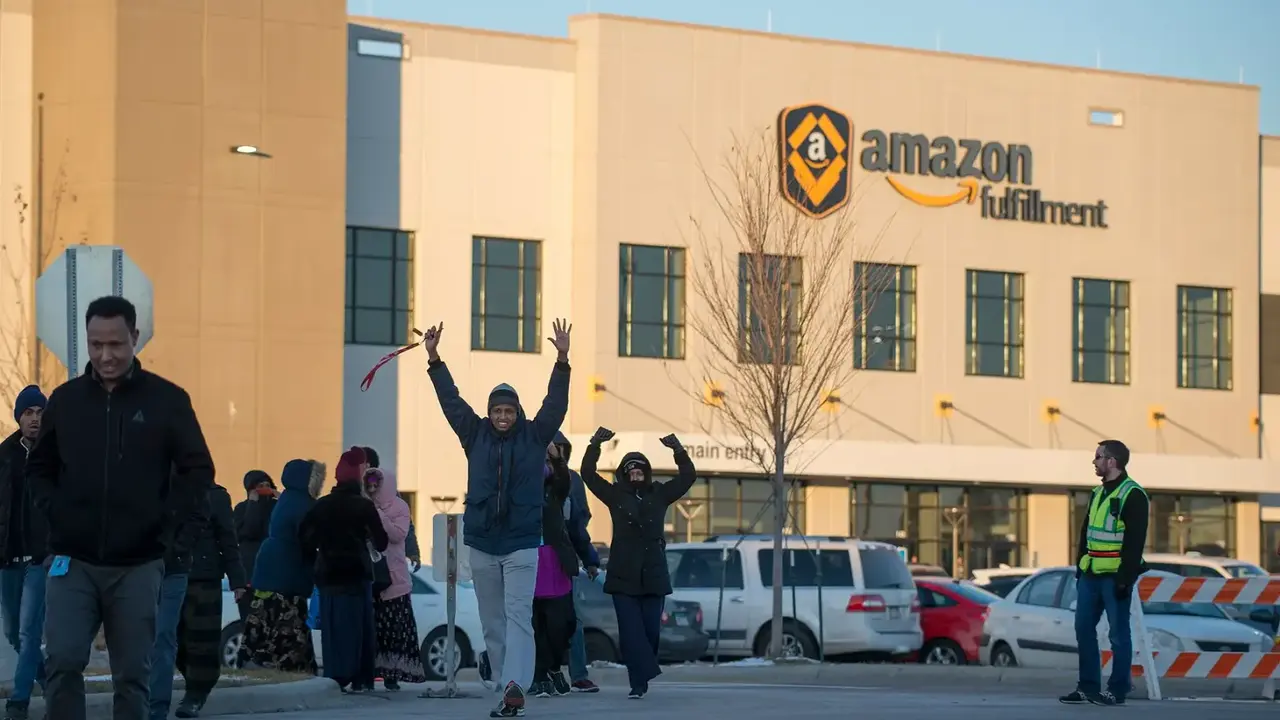
A German metal-sector agreement lets companies negotiate longer hours or benefit cuts in exchange for binding commitments to jobs and investment.
Key takeaways
- The agreement covers about 1.7 million workers in two German states.
- Companies may negotiate longer hours or benefit cuts in return for binding commitments in Germany.
- Wages are set to rise in May 2027 and April 2028.
- Volkswagen is separately seeking longer hours and a pay freeze through 2028.
A new collective agreement in Germany’s metal sector gives companies a path to longer working hours in exchange for binding commitments to jobs and investment. It covers about 1.7 million workers in Baden-Württemberg and North Rhine-Westphalia, according to Bloomberg HT.
Companies can negotiate cuts of up to 8% in benefits set by collective agreements, or longer weekly hours without extra pay. In return, they must commit to employment, investment, production, or developing new products or technology in Germany. Company-level deals can run for up to seven years.
The agreement sets wage increases of 2% in May 2027 and 2.3% in April 2028. Workers are also due a one-time payment of 150 to 450 euros, depending on company profitability.
If companies fail to make promised investments, workers can reclaim the contributions they made, the report said. The agreement affects major industrial companies including Mercedes-Benz, Bosch, Ford and Thyssenkrupp.
Volkswagen is negotiating separately. Its first round of talks this week ended without an agreement. The company is seeking longer hours at its German plants, a freeze on wages through 2028 and cuts to special payments.
This article was produced with the help of AI technology. Based on reporting by the outlets listed above.