Marine Fuel Costs Rise as Shipping Refueling Becomes Less Predictable
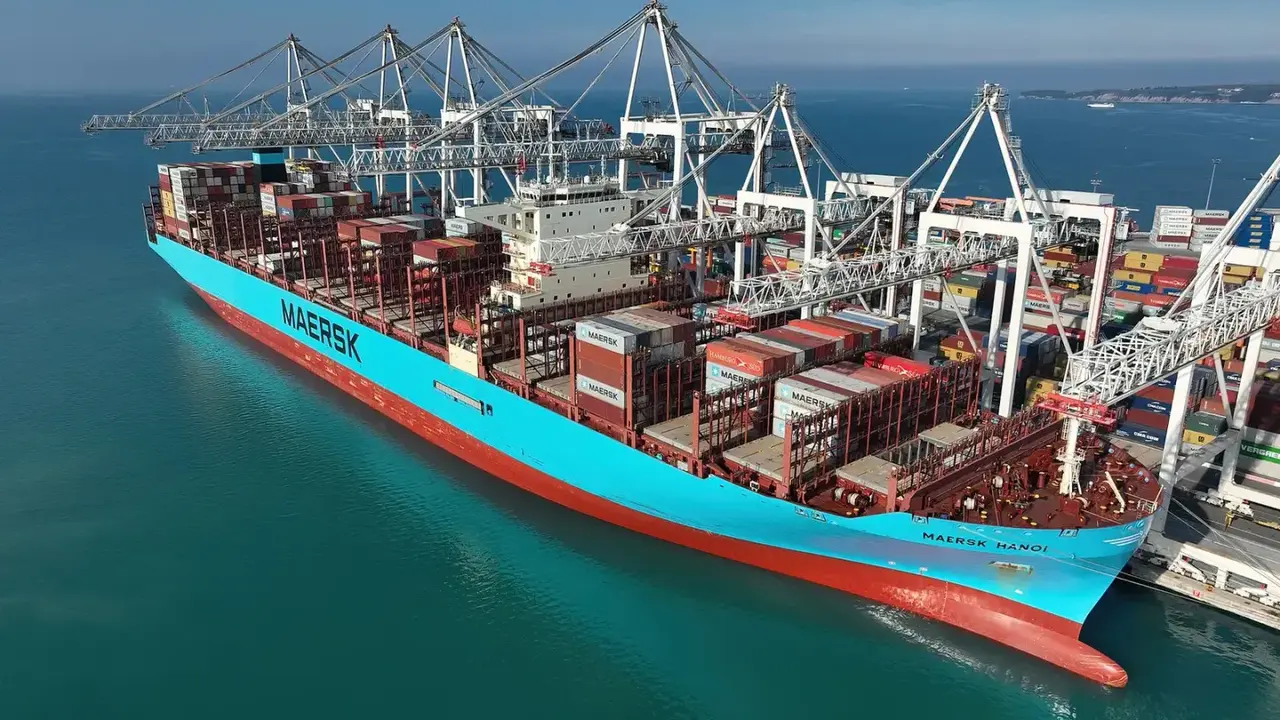
Shipowners are taking smaller, more frequent fuel loads as supply windows lengthen and security risks shift demand among ports.
Key takeaways
- Marine fuel prices are more than 70% above prewar levels, according to sector data cited by Ekonomim.
- ENGINE put Singapore’s recommended very-low-sulfur fuel delivery window at 11–18 days on October 13.
- Reuters reported that shipowners were buying smaller amounts more frequently and using alternative ports.
- The Suez Canal Authority introduced mandatory technical checks for ships aged 25 and older.
Marine fuel prices are more than 70% above prewar levels, according to sector data cited by Ekonomim, as security risks disrupt shipping routes and fuel deliveries. Longer diversions and less predictable refueling are adding pressure to shipowners’ costs.
Risks around the Strait of Hormuz and the Red Sea have led some vessels to take longer routes around Africa, increasing fuel use and voyage costs, Ekonomim reported. OilPrice.com’s analysis also described delays and limited availability at some ports, with conditions varying by fuel type and location.
Availability varies by port
ENGINE’s October 13 outlook, cited by OilPrice.com, put Singapore’s recommended delivery window for very-low-sulfur fuel oil at 11–18 days, up from 10–15 days a week earlier. High-sulfur fuel oil had an 11–17-day window.
Fujairah’s very-low-sulfur fuel availability had improved, but high-sulfur fuel oil and low-sulfur marine gasoil remained limited, according to the same outlook. OilPrice.com cited Vitol’s estimate that high-sulfur fuel oil flows through Hormuz were at least 800,000 tons a month below February levels on October 16.
Smaller purchases, higher costs
Reuters reported on October 16 that shipowners were making smaller, more frequent bunker purchases, shortening contracts and using alternative ports such as Port Louis, Colombo and Salalah. Ekonomim also reported rising fuel demand at ports in Mauritius, Africa, Brazil, Sri Lanka and Pakistan.
General Index figures cited by OilPrice.com put September average very-low-sulfur fuel oil prices at $872 per ton in Singapore and $939 in Fujairah. Those averages were up 6% and 15.9%, respectively, from August. Ekonomim said higher fuel costs and longer routes could raise freight costs, particularly for grain, oilseed and other bulk cargoes.
Added checks at Suez
The Suez Canal Authority has introduced mandatory technical inspections and tests for ships aged 25 and older, Ekonomim reported. Fees and processing times had not been announced, leaving added costs and possible delays for operators of older vessels.
This article was produced with the help of AI technology. Based on reporting by the outlets listed above.